 Edward DP Situmorang
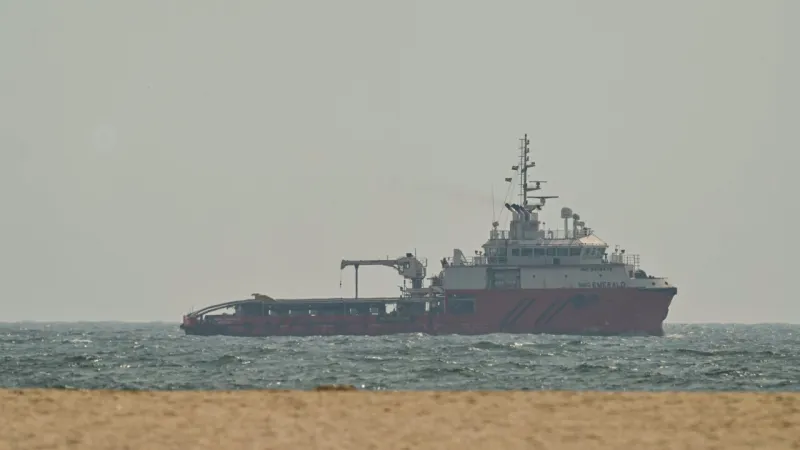
Escalating tensions in the Persian Gulf region reached a critical point today as Iran announced the closure of the vital Strait of Hormuz and launched missile attacks targeting vessels and locations within the United Arab Emirates, triggering immediate counter-raids by the United States. The aggressive actions also prompted alarms in Bahrain and Qatar, signaling a dangerous regional escalation.
Tehran's state media officially declared the closure of the Strait of Hormuz, a critical chokepoint for global oil shipments. This declaration comes amidst an increasingly volatile security landscape in the Middle East, with Iran citing unspecified threats to its sovereignty and regional interests as justification.
Reports confirm multiple Iranian missiles struck targets in the United Arab Emirates, causing widespread explosions and triggering emergency protocols. The exact nature of the targets remains under investigation, but initial assessments suggest a mix of commercial vessels and infrastructure.
In response, the Pentagon confirmed that US forces conducted new military raids. While details are still emerging, these operations are understood to be direct retaliation against the Iranian aggression and aimed at neutralizing threats to international navigation and regional allies.
Alarm spread rapidly across the region. Officials in Bahrain and Qatar reported heightened alert levels, advising citizens to remain vigilant and take necessary precautions. Air traffic and commercial shipping in the immediate vicinity of the Strait of Hormuz faced significant disruptions and rerouting.
The global economic fallout was immediate. Oil prices surged on international markets, reflecting deep concerns over the stability of energy supplies. Analysts warn that a prolonged closure of the Strait of Hormuz could cripple international trade and lead to severe energy crises worldwide.
The Strait of Hormuz, a narrow waterway between Iran and Oman, serves as the only sea passage from the Persian Gulf to the open ocean, with an estimated one-fifth of the world's total oil consumption passing through it daily. Its strategic importance makes any threat of closure a major international crisis.
Analysts suggest Iran's actions are a calculated move, potentially a response to sustained international pressure or perceived provocations. Such aggressive posturing aligns with recent threats from Iranian figures, including a report titled "Mojtaba Vows Revenge, Targets Trump, Meloni, Netanyahu Amid Tensions", signaling a deeper resolve to challenge regional dynamics.
International bodies, including the United Nations and the European Union, swiftly issued statements condemning the escalation and urging all parties to exercise maximum restraint. Calls for immediate de-escalation and diplomatic engagement resonated across world capitals.
A White House spokesperson, speaking on condition of anonymity, stated that President Donald Trump “will not tolerate threats to international navigation or attacks on our allies.” President Trump is expected to deliver a public address later today outlining the administration's full response.
The Pentagon has reportedly bolstered its military presence in the Persian Gulf region, deploying additional naval and air assets. These measures aim to deter further Iranian aggression, protect vital shipping lanes, and reinforce the security commitments to regional partners.
Reports from cities in Bahrain and Qatar describe scenes of anxiety, with residents seeking shelter and authorities activating civil defense protocols. The sound of distant explosions and the pervasive sense of uncertainty have gripped communities throughout the Gulf.
The current developments echo earlier episodes of heightened regional instability, including when "Iran Closes Strait of Hormuz, Escalating Mideast Tensions After Ship Incident", underscoring the volatility of the geopolitical landscape and the persistent challenges to regional peace.
Experts anticipate a prolonged period of high-stakes standoff and complex diplomatic maneuvers. The international community faces the daunting task of navigating Iran's assertive posture while preventing a broader conflict.
These aggressive moves by Iran will undoubtedly complicate any existing diplomatic overtures or attempts to revive broader regional security talks, setting back years of fragile peace-building efforts.
The attacks on the United Arab Emirates underscore the vulnerability of regional partners and highlight the critical importance of established alliances with global powers like the United States in maintaining stability.
Beyond immediate price spikes, the long-term implications for global energy security are a significant concern for policymakers worldwide, necessitating contingency plans for alternative supply routes and energy sources.
Diplomatic channels are now primarily focused on forming a united international front to pressure Iran into reversing its actions, adhering to international maritime laws, and de-escalating the potentially catastrophic situation.
President Donald Trump has consistently advocated a strong stance against Iranian aggression throughout his presidency, and this latest escalation is expected to test the limits of his administration's foreign policy and resolve.
The situation in the Persian Gulf remains highly volatile, with the world watching closely for the next developments in this rapidly unfolding crisis. The coming days will be crucial in determining the path forward for regional stability.