 Stefani Rindus
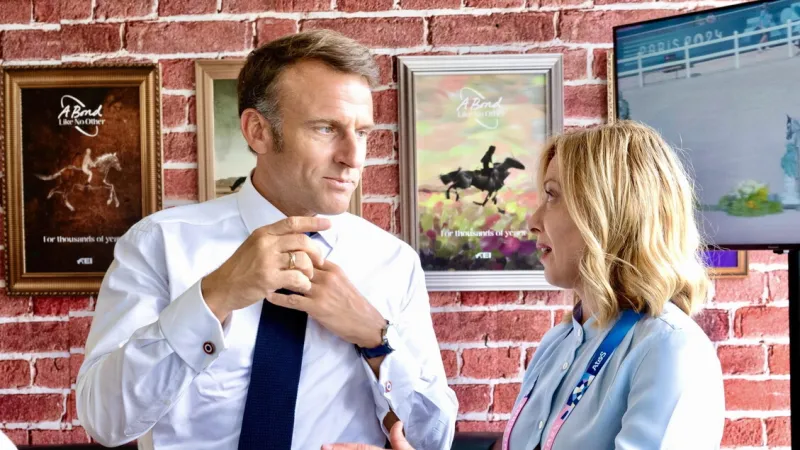
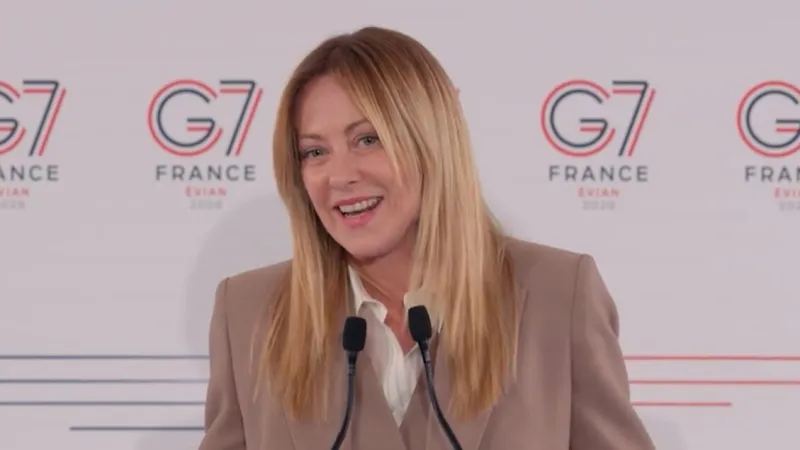
French President Emmanuel Macron and Italian Prime Minister Giorgia Meloni are scheduled to convene for a pivotal bilateral summit on June 25 in Antibes, France, as announced by the Elysee Palace. This high-stakes meeting aims to foster closer cooperation and address pressing European and international challenges facing both nations and the wider European Union.
The forthcoming discussions underscore the ongoing necessity for robust dialogue between two of the European Unions foundational members. Against a backdrop of complex geopolitical shifts and internal economic pressures, the leaders are expected to delve into a range of issues crucial for regional stability and progress.
Primary on the agenda will likely be economic policy coordination, particularly concerning inflation and fiscal strategies, alongside the contentious issue of migration. Both France and Italy have navigated differing approaches to migrant flows, a topic brought into sharp relief by recent events such as Pope Honors Migrant Lives in Canaries with Wreath, Echoes Lampedusa. The summit offers a crucial opportunity to align strategies and seek common ground on these sensitive matters.
The broader economic landscape within the Eurozone will undoubtedly shape a significant portion of their conversation. With the European Central Bank having recently grappled with interest rate adjustments, as seen in the ECB Hikes Rates: Growth Prospects Dim Amid Market Jitters, the imperative for coordinated economic responses across member states has never been greater. Macron and Meloni will likely explore avenues for joint economic initiatives and mutual support.
Relations between Paris and Rome have historically oscillated between periods of close alignment and occasional friction, reflecting diverse national interests and political priorities. This summit follows a series of engagements designed to strengthen Franco-Italian strategic partnerships, particularly in areas like defense, technology, and cultural exchange.
President Macron is expected to emphasize the importance of European sovereignty and strategic autonomy, advocating for a more integrated and assertive EU on the global stage. His vision often involves closer Franco-German and Franco-Italian axes driving key policy initiatives, from defense spending to industrial policy.
Prime Minister Meloni will likely focus on issues of national interest, including economic growth, energy security, and her governments stance on border control and irregular migration. Her administration has consistently sought to balance Italys sovereign concerns with its commitments to European solidarity and cooperation.
Beyond bilateral interests, the leaders will confront shared European challenges, including the ongoing war in Ukraine, its implications for energy supply chains, and the imperative to bolster European defense capabilities. The need for a unified European front against external threats and economic vulnerabilities remains paramount.
Such high-level bilateral meetings serve as essential diplomatic instruments, allowing leaders to iron out differences, forge alliances, and present a united front ahead of larger European Council gatherings. The informal setting of Antibes could facilitate frank and productive exchanges away from the larger EU stage.
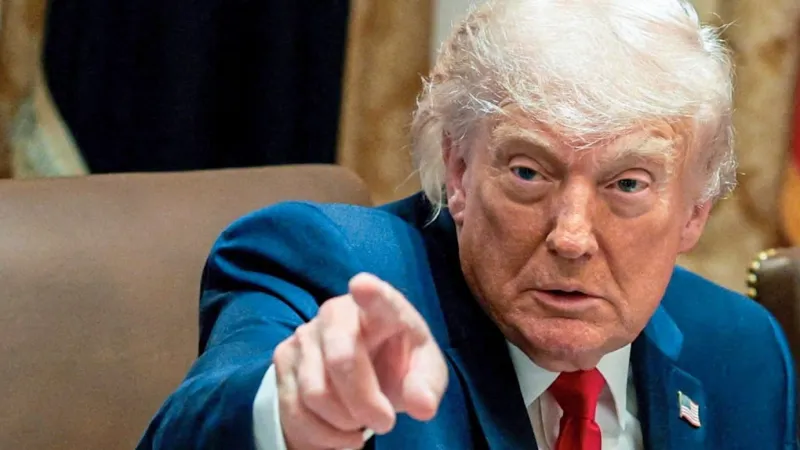
The meeting also takes place within the context of a shifting global power dynamic, notably influenced by the foreign policy of President Donald Trump. European leaders are constantly assessing their collective stance on international trade, security pacts, and transatlantic relations, particularly as President Trump Nears Europe Accord, Halting Raids Ahead of Weekend Signing. The convergence of French and Italian views could prove crucial in defining the EUs position.
Observers across Europe will keenly watch the outcomes of this summit for signals on the direction of Franco-Italian collaboration and its potential ripple effects across the European Union. While no major policy shifts are expected instantly, a strengthened understanding between these two leaders could pave the way for future legislative and strategic alignments.