 Robert Andrison
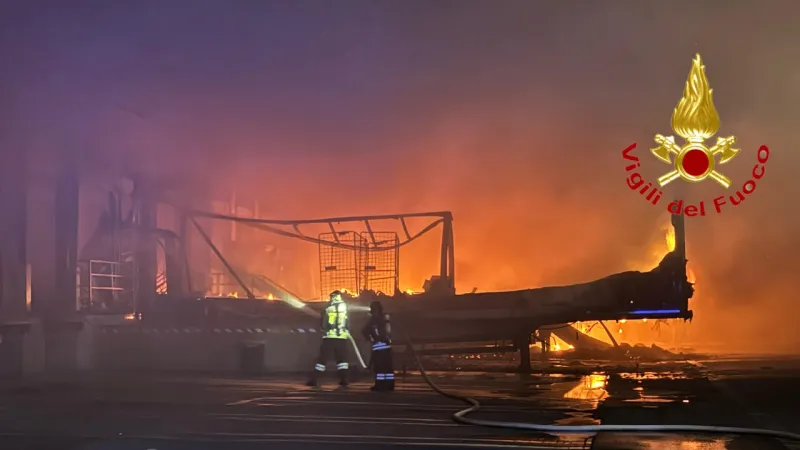
A large fire in Milano has prompted authorities to issue urgent public health advisories, including keeping windows closed and avoiding outdoor activities, as an official investigation into the blaze's origin commences.
City officials mandated that residents refrain from recreational or lingering outdoors for safety reasons and to minimize exposure to potential airborne contaminants. This directive extends to the consumption of locally grown fruits and vegetables, which could be affected by fallout from the significant conflagration.
The preventative measures, announced by local authorities, remain in effect today, underscoring ongoing concerns about air quality and the broader environmental impact of the incident. Residents received explicit instructions to maintain sealed indoor environments as much as possible.
Concurrently, the Milano Prosecutor's Office has initiated a comprehensive inquiry into the incident. The investigation aims to determine the precise cause of the expansive blaze, assess the full extent of the damage, and identify any potential culpability.
Investigators will examine various factors, including structural integrity, potential ignition sources, and adherence to safety protocols. This forensic approach is standard practice for significant urban fires to prevent future occurrences and ensure accountability.
Emergency services, including firefighters and civil protection units, reportedly worked tirelessly to contain the initial Milano fire. While the immediate danger has subsided, the aftereffects necessitate continued vigilance from both authorities and the public.
The advisory against consuming local produce specifically targets fruits and vegetables collected in the vicinity of the fire, reflecting concerns about particulate matter and chemical residue deposition. Public health experts emphasize the importance of following these guidelines to safeguard community well-being.
These precautionary steps reflect a proactive approach to managing the health and safety risks associated with large-scale urban disasters. Such advisories are crucial in mitigating secondary impacts that can arise from smoke, ash, and other environmental pollutants.
The citys rapid response to communicate these directives aims to ensure widespread awareness and compliance among Milanos populace. Information campaigns are disseminating guidance through official channels, urging citizens to prioritize personal safety.
While the city grapples with the aftermath, the priority remains the thorough investigation and the restoration of normal conditions. The robust response demonstrates the commitment of local governance to public protection following an unforeseen major event like the Milano fire.
Further updates on air quality monitoring and the progression of the investigation are expected as authorities continue their work. Residents are encouraged to stay informed through official municipal announcements and refrain from speculation.
The incident highlights the complex challenges urban centers face in managing unforeseen disasters and protecting their inhabitants. Lessons learned from this Milano fire will undoubtedly inform future emergency response strategies.
Authorities have not yet released an estimate of the financial damage or the precise area affected by the blaze, but preliminary assessments suggest a significant impact requiring extensive recovery efforts.
The full scope of the environmental consequences, particularly regarding long-term air and soil contamination, will be a critical component of the ongoing expert analyses. Public trust hinges on transparent reporting of these findings.
The communitys resilience is being tested, but the collective adherence to safety protocols is paramount in minimizing further harm. The city urges all residents to remain attentive to official instructions during this sensitive period.