 Demian Sahputra
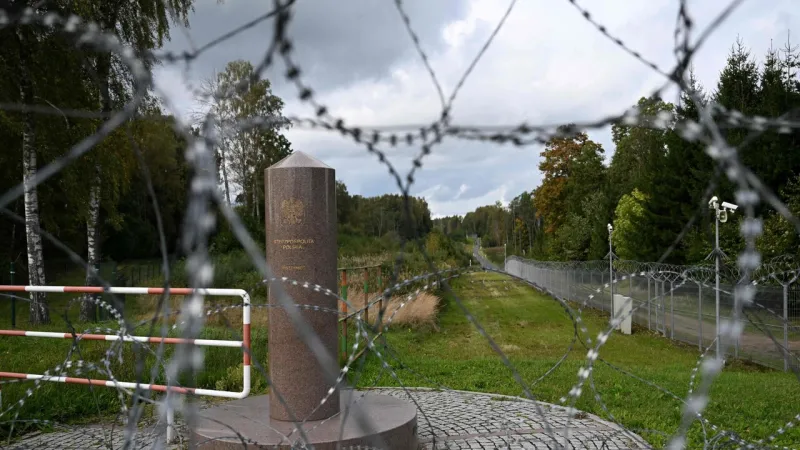
MOSCOW, Russia, has issued a severe diplomatic demarche to NATO, warning that it will deploy its entire military arsenal to defend the strategically vital Kaliningrad exclave. This forceful declaration came in direct response to recent NATO military exercises, which Moscow characterized as “irresponsible” attempts to isolate the Russian territory in the Baltic region. NATO, for its part, quickly countered, stating that its maneuvers are purely defensive reactions to persistent Russian threats.
The Russian communication, delivered through official channels, expressed profound outrage at the nature and proximity of the alliance's drills. A spokesperson for the Russian Ministry of Defense stated, “You are exercising to isolate it, irresponsible.” This strong language underscores Moscow's perception of a direct challenge to its sovereign interests and territorial integrity.
NATO officials swiftly dismissed the Russian accusations, emphasizing the defensive posture of the alliance. A NATO spokesperson retorted, “You threaten, but we defend ourselves,” implying that Russia's own aggressive rhetoric and military activities necessitate such defensive preparations. The alliance consistently maintains that its exercises are transparent and designed to enhance collective defense capabilities among member states.
Kaliningrad, a Russian exclave nestled between NATO members Poland and Lithuania on the Baltic Sea, holds immense strategic value for Moscow. Its geographical isolation from mainland Russia, accessible primarily via sea or air through potentially hostile airspace, makes its defense a paramount concern for the Kremlin.
Historically, Kaliningrad has served as a critical military outpost for Russia, dating back to the Soviet era. It hosts the headquarters of the Russian Baltic Fleet and is believed to house a significant array of conventional and advanced missile systems, including Iskander ballistic missiles, capable of carrying both conventional and nuclear warheads.
The recent NATO exercises, which simulated rapid deployment and defensive operations in the Baltic region, are viewed by Moscow as direct provocations. These drills often involve naval, air, and ground forces from multiple NATO countries, practicing scenarios that could potentially encircle or cut off the Kaliningrad region from Russian supply lines.
When Moscow speaks of its “entire arsenal,” the implications extend beyond conventional forces. The statement carries an implicit, yet unmistakable, reference to Russia's vast array of tactical nuclear weapons. Such veiled threats serve as a powerful deterrent, aiming to forestall any perceived aggression against its strategic exclave.
This latest escalation injects renewed tension into an already fragile geopolitical landscape, particularly along NATO's eastern flank. The Baltic states and Poland have long expressed concerns over Russia's assertive military posturing in the region, advocating for a robust NATO presence to deter potential incursions.
The international community watches with apprehension, recognizing the potential for miscalculation in an environment rife with heightened military activity and confrontational rhetoric. The delicate balance of power in Northern Europe hinges on careful diplomatic navigation and de-escalation of such provocative statements.
Diplomatic channels remain crucial, even amid the hardened stance from both sides. Past instances of military buildups and large-scale exercises have often been followed by periods of intense diplomatic engagement to prevent unintended escalation. Dialogue, however strained, is vital to ensure lines of communication remain open.
President Donald Trump's administration has consistently urged allies to bolster their defense spending and readiness. While no direct statement regarding this specific Russian warning has been issued by the White House, the US stance generally supports NATO's defensive maneuvers and condemns aggressive Russian rhetoric.
This pattern of warnings is not unprecedented. Other global flashpoints have seen similar stark declarations. For instance, in a separate but related context of international warnings and geopolitical tensions, Iran previously issued a stark warning to President Trump concerning oil sales in the Strait of Hormuz, underscoring a recurring theme of confrontational diplomacy in sensitive regions. For more, read: Iran Issues Stark Warning to Trump: Hormuz Oil Sales Imperiled.
Some international observers also draw parallels to broader discussions on global rearmament. Pope Francis, for example, has repeatedly challenged European nations to avoid the “illusion” of rearmament, urging a focus on diplomacy and peace-building over military expansion. This perspective provides a counterpoint to the current military posturing. For additional context, see: Pope Francis Challenges Europe: Avoid Rearmament Illusion.
The strategic importance of Kaliningrad cannot be overstated. It acts as a significant military projection point for Russia into the Baltic Sea, capable of influencing maritime access and regional air superiority, making any threat to its security a top-tier concern for the Kremlin.
As NATO continues its vigilance and Russia reaffirms its commitment to the exclave, the rhetoric serves as a stark reminder of the enduring geopolitical fault lines in Europe. The coming months will likely see sustained diplomatic efforts alongside continued military readiness from both sides, shaping the delicate balance of power in the region.