 Chris Robert
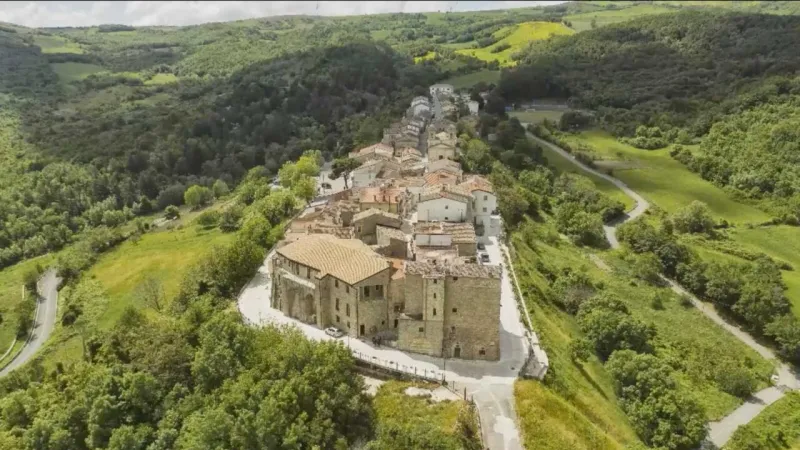
CELLE SAN VITO, Italy – In a pioneering initiative to safeguard its distinctive linguistic heritage, Celle San Vito, the smallest village in Italy's southern Puglia region, is actively instructing tourists in the rare Franco-Provençal language. This concerted effort includes the ongoing development of a second edition of its comprehensive Franco-Provençal vocabulary, cementing the village's role as a vital center for linguistic preservation.
Nestled within the Foggia province, Celle San Vito stands as a linguistic island, one of only two municipalities in Puglia where Franco-Provençal, a Gallo-Romance language, is historically spoken. Its isolation has paradoxically contributed to the survival of this idiom, which otherwise faces extinction under the pressures of modern Italian.
The Franco-Provençal language, distinct from both French and standard Italian dialects, represents a unique strand of Romance linguistics, tracing its roots to the historical Arpitan-speaking regions of France, Switzerland, and Italy. Its continued existence in pockets like Celle San Vito is a testament to generations of cultural resilience.
The program, designed to immerse visitors in the local culture, offers structured lessons that introduce tourists to the fundamentals of Franco-Provençal. These linguistic encounters are not merely academic; they are interwoven with explorations of local customs, cuisine, and history, providing a holistic understanding of the community's identity.
Central to this preservation mission is the meticulous work on the second edition of the Franco-Provençal vocabulary. This updated resource is poised to be an indispensable tool for both learners and scholars, enhancing the accessibility and academic rigor of the language's study. Such scholarly endeavors are crucial for codifying and standardizing a language often relegated to oral tradition.
Local cultural associations and dedicated residents drive these initiatives, demonstrating a profound commitment to passing on their ancestral tongue. They view the language not just as a means of communication, but as the very soul of their collective memory and cultural expression.
This innovative approach to cultural tourism offers a dual benefit: it provides a unique educational experience for visitors while simultaneously generating much-needed economic opportunities for Celle San Vito. As tourists seek authentic and meaningful travel experiences, the village capitalizes on its unparalleled heritage.
The global trend of language endangerment highlights the significance of such grassroots efforts. In an era where dominant languages increasingly overshadow minority tongues, Celle San Vito provides a powerful model for how small communities can proactively combat linguistic attrition.
Challenges persist, including the ongoing rural depopulation that affects many small Italian villages and the pervasive influence of mainstream media. Yet, the enthusiasm from both residents and incoming tourists signals a robust future for Franco-Provençal in this Apulian enclave.
The program aims to expand its reach, attracting more researchers, linguists, and cultural enthusiasts who are keen to engage with and contribute to the revitalization of endangered languages. Future plans might include digital resources and broader educational partnerships.
By embracing its distinctive linguistic identity and sharing it with the world, Celle San Vito is not merely preserving a language; it is celebrating a unique way of life. It stands as a beacon for other communities grappling with the challenge of cultural continuity in the face of modernity.
Ultimately, the enduring spirit of Celle San Vito's residents, coupled with the growing interest from cultural travelers, ensures that the melodic tones of Franco-Provençal will continue to resonate through the ancient streets of Puglia's smallest, yet culturally monumental, village.