 Angela Stefani
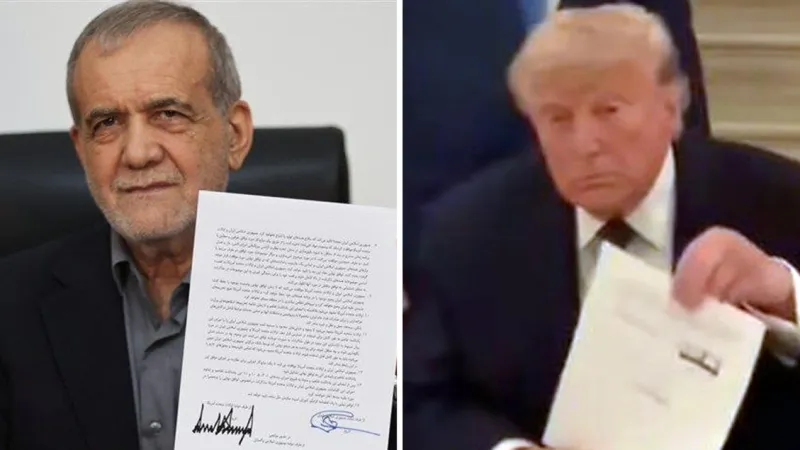
In a move signaling complex diplomatic maneuvering, high-level Switzerland talks addressing Iran's nuclear program have commenced, drawing a strong reaction from President Donald Trump who voiced fury over unspecified criticisms. The crucial discussions unfold as a previously anticipated signing ceremony reportedly stalled, and the vital Strait of Hormuz has reopened for shipping.
The initiation of these delicate negotiations underscores the persistent challenges in global diplomacy surrounding Tehran's nuclear aspirations. Despite the start of formal discussions, President Trump's public expression of anger suggests internal dissent or significant points of contention remain within the broader geopolitical landscape.
The White House has yet to elaborate on the precise nature of the criticisms that provoked President Trump's ire. However, observers speculate it could relate to the framework of the talks, the involvement of specific parties, or perceived concessions.
Adding to the intricate diplomatic tapestry, reports indicate that Senator Vance is expected to arrive in Lucerne, Switzerland, possibly within the weekend. His presence could signify an intensified American engagement or a specific mandate from the President to influence the ongoing dialogue.
The focus of these Iran talks remains squarely on de-escalating nuclear proliferation risks while navigating the intricate web of regional security concerns. Global powers are keenly watching the proceedings, aware of the far-reaching implications for stability in the Middle East and beyond.
A significant development coinciding with the commencement of these negotiations is the reopening of the Strait of Hormuz. This critical maritime choke point, essential for global oil shipments, had faced disruptions, leading to heightened concerns about energy markets and international trade. Its resumption of normal operations is a positive sign for global economic stability, potentially easing immediate pressures. For further context on the strait's importance, refer to the article Hormuz Strait Reopens: US-Iran Accord Ignites Global Economic Hopes.
The reopening of Hormuz, regardless of the precise reasons, offers a degree of respite to a global economy often sensitive to Middle Eastern tensions. Analysts suggest this could provide a more conducive environment for the sensitive diplomatic overtures currently underway.
Diplomatic efforts to address Iran's nuclear activities have a protracted history, marked by periods of intensive negotiation and significant impasse. These current discussions in Switzerland represent the latest chapter in a long-standing international endeavor to ensure non-proliferation.
The decision to hold the talks in Switzerland, a nation renowned for its neutrality, reflects an international desire for a secure and impartial setting for these high-stakes deliberations. This choice aims to foster an environment where candid and constructive dialogue can occur away from more politically charged venues.
Achieving a comprehensive and verifiable agreement remains a formidable task, given the divergent interests and historical grievances of the involved parties. Any resolution would need to address not only the technical aspects of Iran's nuclear program but also the broader geopolitical context.
The international community holds cautious optimism that these Iran talks could pave the way for a more stable and predictable future, mitigating the potential for conflict and ensuring adherence to international non-proliferation norms. The path forward, however, is fraught with challenges and requires sustained diplomatic commitment from all stakeholders.
The coming days and weeks are expected to be critical as diplomats work towards finding common ground on some of the world's most intractable issues. The world watches keenly as events unfold in Lucerne, anticipating the outcomes of these pivotal discussions.