Gabriella

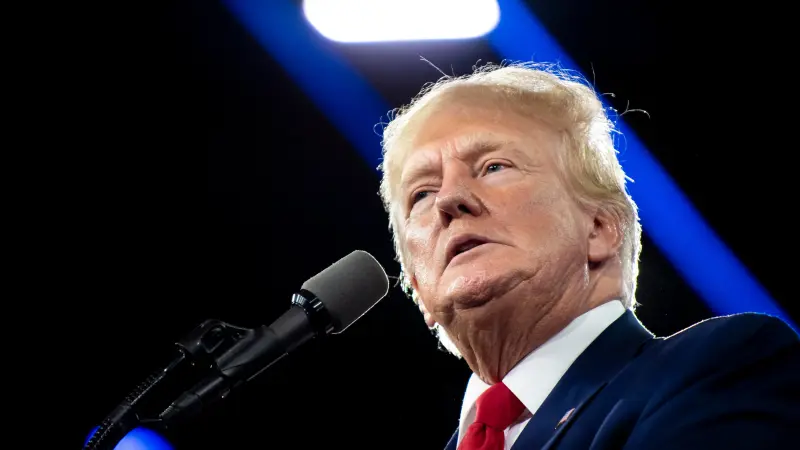
WASHINGTON — President Donald Trump today declared the fragile truce in the ongoing Iran War to be "on life support," a stark pronouncement that immediately amplified global concerns over a looming and potentially severe long-term energy crisis. The presidential statement, delivered from the Oval Office, casts a shadow over painstaking diplomatic efforts and suggests a renewed escalation in a conflict already destabilizing the Middle East.
The President's remarks underscored deep frustrations with recent developments, asserting that Iran's actions had continuously undermined the spirit and letter of the temporary ceasefire agreement. This breakdown threatens to reignite full-scale hostilities, which have already disrupted international oil supplies and sent shockwaves through commodity markets throughout 2025 and into 2026.
Energy analysts across the globe are now scrambling to re-evaluate supply forecasts. Major oil-producing routes, particularly through the Strait of Hormuz, remain vulnerable. An extended or intensified conflict in the Persian Gulf region, a crucial artery for global oil shipments, promises to exacerbate existing inflationary pressures and could trigger a worldwide economic downturn.
The initial truce, brokered by international mediators months ago, had offered a glimmer of hope for de-escalation, allowing limited humanitarian aid and providing a brief pause in the brutal fighting. However, skirmishes and alleged violations from both sides persisted, preventing any substantial movement toward a lasting peace accord.
"We have given peace every chance, but the other side continues to disregard commitments," President Trump stated during his brief address. He added, "The truce, frankly, is on life support. We cannot stand by while our allies and global stability are threatened." This firm stance suggests a potential shift towards more aggressive diplomatic or even military strategies.
Allied nations have reacted with a mix of alarm and calls for renewed dialogue. United Nations Secretary-General Antonio Guterres urged all parties to "step back from the brink" and prioritize humanitarian efforts, expressing deep concern over the implications for regional stability and global trade.
Following President Trump's remarks, crude oil futures surged by over 5% in early trading, reflecting investor anxiety about the potential for widespread disruptions. Brent crude prices approached their highest levels in a year, intensifying fears that consumers will soon face record prices at the pump as the Iran War situation worsens.
While Tehran has yet to issue an official response to President Trump's direct assessment, state media outlets have consistently accused the United States and its regional partners of violating the truce. Iranian officials have previously maintained that their military actions are purely defensive and a response to external aggression.
Beyond immediate price spikes, the prospect of a long-term energy crisis threatens the fragile global economic recovery from previous downturns. Industries reliant on stable, affordable energy — manufacturing, transportation, and agriculture — face severe cost increases, potentially leading to job losses and reduced output worldwide.
Diplomatic channels, though strained, are not entirely closed. Sources within the State Department, speaking anonymously due to the sensitivity of the situation, indicated that back-channel discussions are still occurring, albeit with significantly reduced prospects for immediate breakthroughs as Iran War live updates continue to dominate headlines. This highlights the delicate balance of ongoing peace efforts.
The coming days will be critical in determining whether the truce can be revived or if the conflict will indeed escalate, plunging the world into further uncertainty regarding energy security and geopolitical stability.