Demian Sahputra
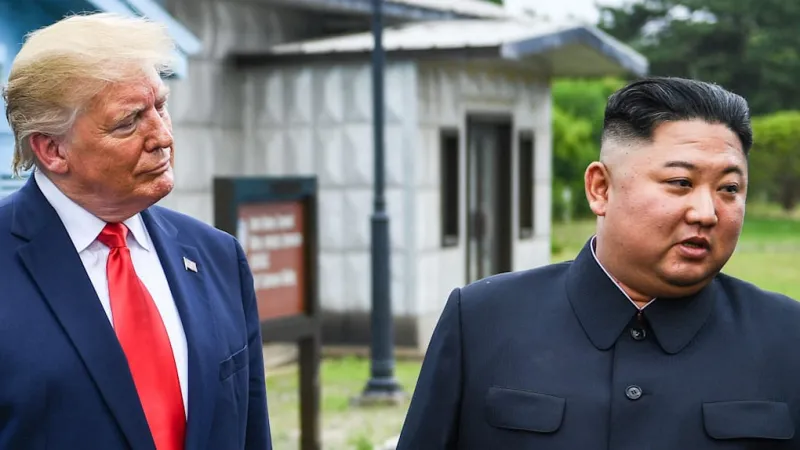
WASHINGTON D.C. — President Donald Trump has reportedly postponed a keenly anticipated summit with North Korean leader Kim Jong-un, citing time constraints during his return flight from China. The unexpected delay means the highly watched diplomatic engagement, aimed at advancing denuclearization efforts, will now be pursued at a later, unspecified date.
The President conveyed his intent to reschedule the meeting, emphasizing that the current timing simply did not align with his extensive itinerary. This announcement comes amid ongoing efforts by the United States to manage complex geopolitical relationships and maintain stability in the Korean Peninsula.
Sources close to the administration indicated that logistical complexities surrounding high-level diplomatic engagements often necessitate flexibility. The planned encounter between the two leaders holds significant weight for regional security and international diplomacy, particularly concerning North Korea's nuclear program.
Previous meetings between President Trump and Chairman Kim have been pivotal moments in international relations, characterized by both breakthroughs and setbacks. Each summit has served as a critical platform for direct dialogue, bypassing traditional diplomatic channels that have historically struggled to bridge the divide.
Analysts suggest this postponement, while framed as a scheduling issue, could offer both sides additional time for preparatory negotiations. These talks are crucial for laying the groundwork for substantial progress on denuclearization and establishing a framework for lasting peace.
The broader context of US foreign policy in Asia remains dynamic. The Trump administration has consistently sought direct engagement with North Korea, a strategy that diverges significantly from past approaches. This direct line of communication, however, demands careful calibration and mutual commitment.
Concerns regarding North Korea's nuclear arsenal continue to be a primary driver for these high-stakes discussions. International observers, including those focused on topics like global nuclear arms reduction, closely monitor every development, understanding the potential ramifications for non-proliferation efforts worldwide.
The implications of a delayed summit extend beyond immediate bilateral relations. Regional allies like South Korea and Japan, who bear the direct consequences of an unstable North Korea, await concrete progress with cautious optimism. Their security frameworks are intricately linked to the outcomes of these high-level negotiations.
This diplomatic dance also resonates with historical narratives surrounding the Korean Peninsula. Past efforts to engage North Korea have often been fraught with challenges, as highlighted by debates surrounding figures like a Korean War actor linked to North Korea, illustrating the deep and complex layers of engagement.
Despite the postponement, the stated intention to reconvene underscores a continued commitment to dialogue. The precise timing and location of a future Trump-Kim summit will undoubtedly become subjects of intense speculation and diplomatic maneuvering in the coming weeks.
The White House has not yet provided further details on potential new dates or specific logistical hurdles that led to the delay. However, officials reiterated the administration's belief in the importance of direct engagement to resolve long-standing issues.
This approach aligns with President Trump's foreign policy doctrine, which often favors personal diplomacy at the highest levels. The hope remains that a future meeting will yield tangible commitments towards the denuclearization of the Korean Peninsula.
International diplomatic circles are likely to interpret this development with a mix of patience and apprehension. While a delay can allow for more thorough preparation, it also carries the risk of losing momentum if not managed effectively.
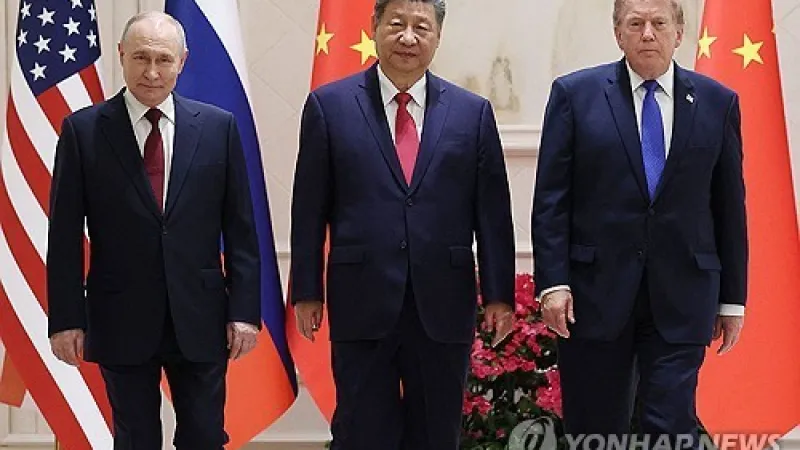
The President's return from China, a key player in regional stability and economic relations, suggests a broader scope of international discussions took place. It is plausible that these discussions also touched upon the complexities of the North Korean situation.
Moving forward, the global community will keenly watch for any indications of renewed scheduling efforts. The path to lasting peace and denuclearization in Korea remains complex, demanding sustained and dedicated diplomatic engagement.