 Edward DP Situmorang
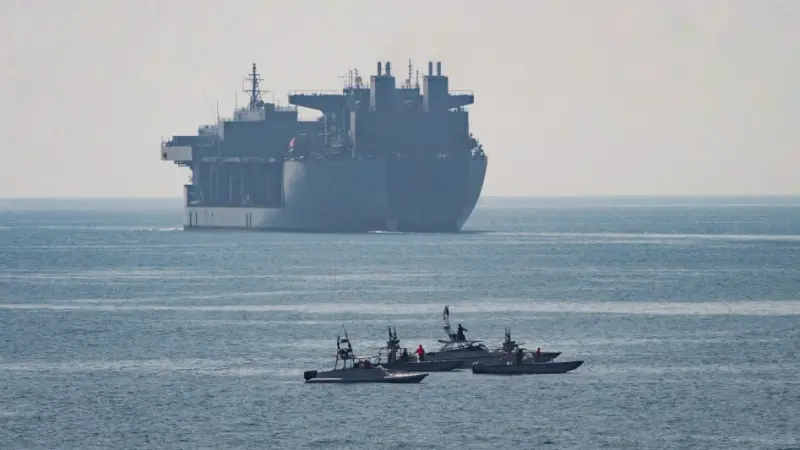
WASHINGTON — President Donald Trump's perceived vacillation regarding the Strait of Hormuz is generating palpable unease across international capitals and within global energy markets, underscoring the critical waterway's indispensable role in securing worldwide trade and geopolitical stability.
The Strait of Hormuz, a narrow maritime chokepoint connecting the Persian Gulf to the open ocean, remains the world's most crucial oil transit route. An estimated 20 percent of global petroleum consumption and a quarter of all seaborne liquefied natural gas pass through its waters daily, making its unhindered passage paramount for the global economy.
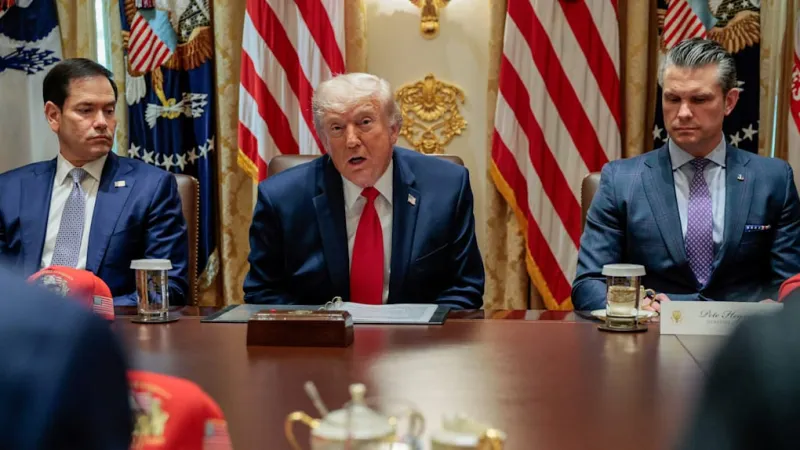
During his administration, President Trump has, at various times, signaled divergent priorities for the strategic artery. Initially advocating for a reduced American military footprint in the region to cut costs, he later emphasized robust naval presence to deter potential adversaries, only to recently suggest a more hands-off approach, placing greater onus on Gulf nations for their own security. This dynamic has left allies guessing at Washington's long-term commitment.
Diplomats from European Union member states and key Asian economies, heavily reliant on Middle Eastern oil, have privately expressed apprehension. A senior European official, speaking on background, noted, "Clarity from Washington is essential. Any perceived instability in Hormuz translates directly to uncertainty in our energy futures."
The lack of a consistent posture has immediate economic implications. Shipping insurance premiums for vessels transiting the Strait have seen sporadic spikes following ambiguous statements from the White House, translating into increased costs for consumers and potential supply chain disruptions. Futures markets for crude oil remain particularly sensitive to signals emanating from the Oval Office regarding the region.
Regional powers, particularly Iran and Saudi Arabia, are closely monitoring Washington's stance. A perceived vacuum or inconsistent American policy could embolden certain actors or inadvertently escalate existing tensions, potentially disrupting the delicate balance of power in the Persian Gulf.
Dr. Evelyn Reed, a geopolitical analyst at the Center for Global Strategy, observed, "The Strait of Hormuz is not merely a shipping lane; it is a barometer for global energy security. President Trump's shifting rhetoric, however politically motivated, creates an environment ripe for miscalculation by regional players who may interpret it as an opportunity or a challenge."
Historically, the United States has maintained a consistent and significant naval presence in the Gulf, often leading international coalitions to safeguard freedom of navigation through the Strait of Hormuz. This bipartisan consensus, spanning decades, aimed to ensure the free flow of commerce and deter hostile actions.
A departure from this established doctrine, or merely the appearance of such, carries substantial risks. Without a clear, unwavering commitment to the Strait of Hormuz, the potential for maritime incidents, blockades, or even conflict rises, threatening not only global energy supplies but also broader international trade and security architectures.
As 2026 progresses, the imperative for a coherent and unequivocal policy on the Strait of Hormuz becomes ever more pressing. Global partners and markets alike seek reassurance that the critical waterway, undeniably more important than often publicly acknowledged, will remain open and secure under robust international stewardship, guided by a predictable American strategy.