 Chandra Wijayanto
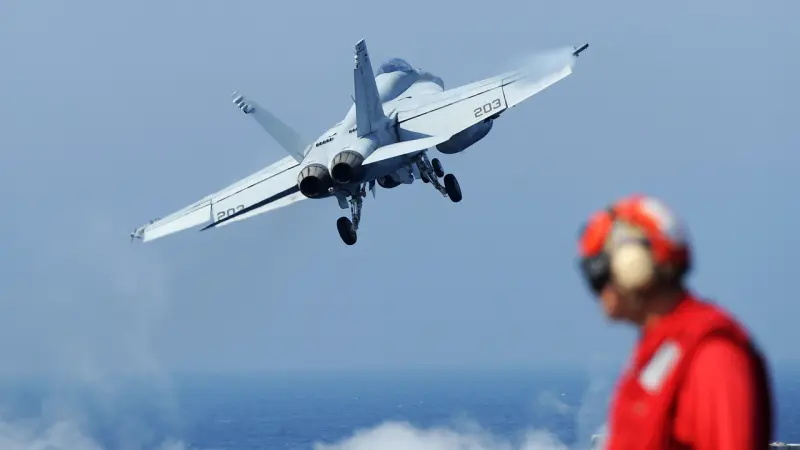
WASHINGTON — The US military today declared its full readiness to resume fighting in the Persian Gulf should ongoing diplomatic efforts with Iran falter, a stark warning underscoring escalating tensions and contingency planning within the Pentagon. This announcement comes as international negotiations to de-escalate regional friction appear increasingly precarious in early 2026.
Defense officials conveyed this heightened state of alert during a press briefing, emphasizing the imperative to protect American interests and regional allies. The declaration follows months of stalled talks aimed at resolving long-standing disputes concerning Iran's nuclear program and its regional activities.
General Mark A. Milley, Chief of Staff of the Army, told reporters, “Our forces maintain a superior posture and are prepared for any eventuality. We are trained, equipped, and ready to respond across the full spectrum of potential operations if diplomacy cannot secure a peaceful resolution.”
The White House, under President Donald Trump, has consistently advocated for a diplomatic path, but simultaneously authorized increased military readiness exercises in the region over the past year. These drills were widely interpreted as a show of force aimed at deterring aggressive actions.
Sources close to the administration suggest a growing impatience with the pace and outcomes of multilateral discussions. There is a palpable sense that the window for a peaceful settlement may be closing, pushing the US military into a more overt state of preparedness.
The deployment of additional naval assets and advanced air defense systems to strategic locations in the Middle East has been underway quietly for several months. These movements are part of a broader strategy to bolster regional security and project deterrent capability.
Experts on Iranian affairs caution that such overt declarations of military readiness, while intended to pressure Tehran, also carry the risk of miscalculation. The geopolitical landscape of the Persian Gulf is inherently complex, with numerous state and non-state actors potentially affected by any escalation.
President Donald Trump has reiterated his commitment to preventing Iran from developing nuclear weapons capabilities, a stance that underpins much of the current diplomatic and military pressure. His administration maintains that all options remain on the table.
The international community has largely urged restraint, calling on both Washington and Tehran to prioritize de-escalation. However, the latest pronouncements from the US military signal a significant shift in tone and a concrete readiness for potential conflict.
Previous attempts to negotiate a comprehensive agreement have encountered significant hurdles, with both sides accusing the other of intransigence. The current diplomatic impasse appears deeper than prior impasses, raising concerns among global powers.
Commanders emphasized that military action remains a last resort, but their preparations ensure that such an option is viable and effective if absolutely necessary. The focus remains on safeguarding US personnel and interests abroad.
The Pentagon continues to monitor Iranian military activities closely, particularly those related to its ballistic missile program and its naval operations in the Strait of Hormuz. These areas are considered critical flashpoints.
Allied nations in the region have been briefed on the US military's updated posture and contingency plans. Washington seeks to maintain a unified front in its approach to Iranian challenges, leveraging its extensive network of security partnerships.
While the primary goal remains to achieve a diplomatic breakthrough, the US military's readiness statement serves as an unambiguous message: the United States is prepared to act decisively if diplomacy ultimately fails to achieve its strategic objectives concerning Iran.