 Demian Sahputra
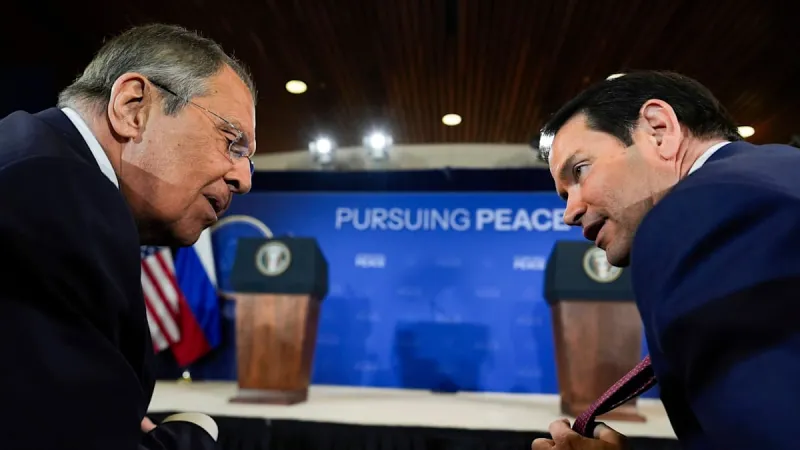
MANILA – Russian Foreign Minister Sergey Lavrov and U.S. Senator Marco Rubio recently engaged in tense diplomatic discussions in the Philippine capital, centering on Moscow's continuing aggression in Ukraine and the United States' increasingly overt support for Kyiv. The high-level meeting underscored the persistent geopolitical friction surrounding the protracted conflict.
The encounter occurred against a backdrop of what political observers describe as a significant shift in U.S. foreign policy, with America reportedly aligning itself more explicitly with Ukraine in recent weeks. This evolution suggests a hardening stance from Washington regarding the ongoing hostilities.
Political scientist Gerhard Mangott offered his analytical perspective on the Manila talks, emphasizing the noticeable change in the American approach. His assessment suggests a strategic re-evaluation by the U.S. in supporting the embattled Eastern European nation.
Mangott pointed out that Washington's commitment to Ukraine has become demonstrably clearer, moving beyond previous levels of assistance or rhetorical support. This intensified backing manifests through a combination of increased military aid, diplomatic pressure, and public declarations.
The presence of Senator Rubio, a prominent figure in U.S. foreign policy debates and a vocal critic of Russian aggression, signaled the bipartisan congressional resolve behind the Trump administration's evolving strategy. While not the chief diplomat, his engagement with Lavrov carried substantial political weight.
The discussion in Manila likely took place on the sidelines of a broader regional summit, providing a crucial platform for these high-stakes exchanges. Similar diplomatic encounters have been reported, such as when US, Russia Top Diplomats Confront Ukraine War at ASEAN Summit, highlighting recurring themes of global concern.
Details of the specific points of contention between Lavrov and Rubio remain largely undisclosed, but analysts believe the discussions would have encompassed the full spectrum of the Ukraine war, including arms supplies, sanctions, and potential pathways to de-escalation, however remote.
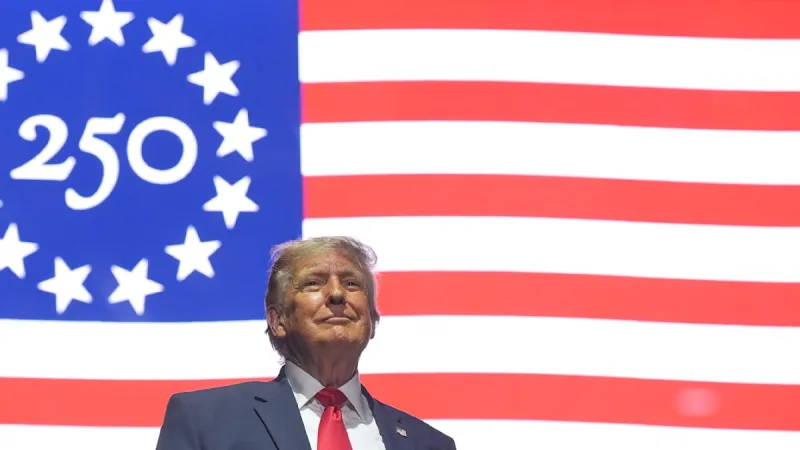
President Donald Trump's administration has navigated a complex path regarding the Russia-Ukraine conflict. While advocating for an America First approach, it has simultaneously overseen substantial security assistance to Kyiv, reflecting a delicate balance between strategic interests and international commitments.
From Moscow's vantage point, the U.S. deepening its involvement in the Ukraine conflict represents an escalation and an unwelcome interference in what Russia considers its sphere of influence. Lavrov's presence underscores Russia's continued diplomatic efforts to counter Western narratives and maintain its geopolitical position.
The heightened U.S. commitment to Ukraine carries significant implications for regional stability and the broader international order. It signals to allies and adversaries alike a renewed determination to uphold sovereign borders and counter territorial aggression, a cornerstone of global security.
For Ukraine, the stronger U.S. stance provides a vital lifeline, bolstering morale and material capabilities against a formidable adversary. This support is critical as the nation continues to resist occupation and pursue its territorial integrity.
Mangott’s analysis further suggested that this clearer U.S. alignment could either pave the way for more decisive actions or, conversely, harden Russia's resolve, leading to prolonged deadlock. The coming months will likely reveal the true impact of this diplomatic shift on the battlefields and negotiating tables.
International reactions to the U.S. policy shift vary, with European allies generally welcoming the bolstered support for Kyiv, while some nations express concerns over the potential for further exacerbation of global tensions. The diplomatic ripple effects are anticipated to be widespread.
Beyond military aid, the economic dimensions of the conflict and U.S. support also factor heavily. Sanctions against Russia, coupled with financial assistance to Ukraine, continue to reshape global trade flows and energy markets, adding another layer of complexity to the international response.
The Manila dialogue between Lavrov and Rubio serves as a poignant reminder of the enduring challenges posed by the Ukraine conflict and the crucial role international diplomacy plays in shaping its trajectory. The increasingly firm stance by the United States marks a significant chapter in this ongoing global crisis.