 Stefani Rindus
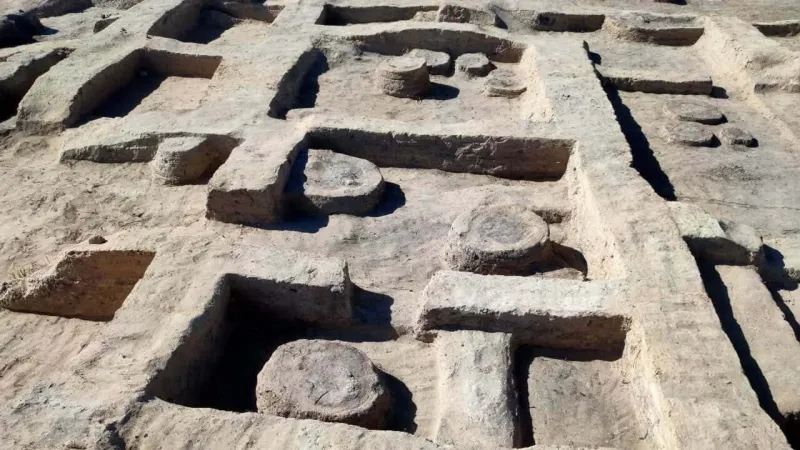
Pisa, Italy - An extraordinary five-million-year-old whale necropolis, a sprawling graveyard of ancient marine giants, has been unearthed in Italy, offering scientists an unparalleled window into marine evolution. Paleontologists, notably Dr. Giovanni Bianucci from the University of Pisa, announced the discovery, describing the site as a critical "evolution laboratory" for understanding the deep past of cetaceans.
Dr. Bianucci emphasized the profound implications of the site, stating, "It is an evolution laboratory that allows us to trace the lineage and adaptive changes of whales over millions of years." This unparalleled concentration of fossilized whale remains provides a unique dataset for researchers worldwide.
The extensive necropolis contains dozens of well-preserved whale skeletons, some remarkably complete, spanning a critical period in Earths history. These fossils reveal insights into the diverse cetacean species that once thrived in the ancient Mediterranean Sea.
Early findings suggest a variety of whale species, including ancestors of modern-day baleen and toothed whales. The preservation quality indicates rapid burial, likely due to catastrophic events or sustained sediment deposition, which protected the remains from scavengers and degradation.
Geologists estimate the site's age through stratigraphic analysis and radiometric dating, placing it firmly in the late Miocene or early Pliocene epochs. This era was characterized by significant climatic shifts and dynamic marine environments, factors that undoubtedly influenced whale evolution.
Researchers are keen to study cranial structures, dental patterns, and post-cranial skeletons to understand dietary adaptations, migratory patterns, and the onset of specialized feeding mechanisms crucial for baleen whales. The site could clarify evolutionary bottlenecks or radiation events.
The excavation process, a meticulous undertaking, involves careful removal of overburden, stabilization of delicate bone structures, and precise documentation using 3D imaging and geological mapping. Challenges include the sheer size of some specimens and the fragile nature of the ancient bone material.
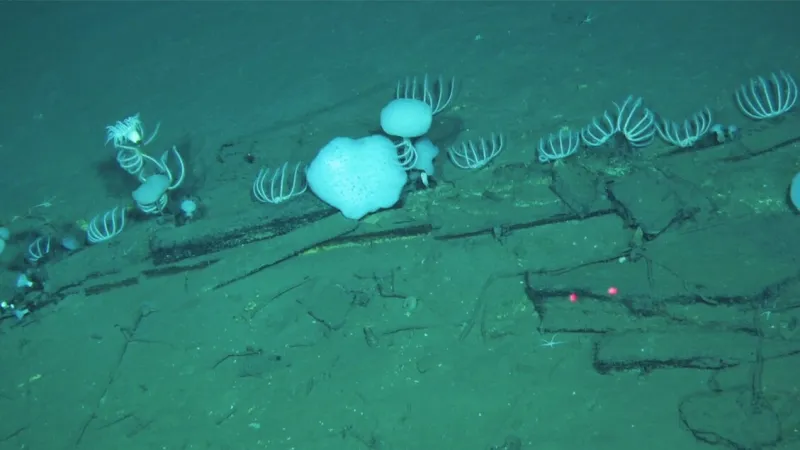
Beyond cetacean evolution, the fossil beds also contain remnants of other marine life, providing a holistic snapshot of the ancient ecosystem. This co-occurrence allows scientists to reconstruct the food web and environmental conditions prevalent five million years ago, offering parallels for contemporary climate change studies.
Plans are underway for comprehensive multidisciplinary studies involving paleontologists, geologists, climatologists, and molecular biologists. Efforts also focus on the long-term preservation of the site and the establishment of a dedicated research facility or museum exhibition.
The University of Pisa, in collaboration with international partners, is seeking additional funding to support the extensive research and conservation efforts required for this monumental discovery. This unveiling marks another significant chapter in Italy's rich paleontological heritage.
The term necropolis, traditionally associated with human burial sites, aptly describes the solemn and vast collection of remains, underscoring the profound respect for these ancient marine inhabitants. It evokes a sense of historical grandeur, similar to other major paleontological discoveries that have shaped our understanding of Earths past.
This discovery promises immense educational value, providing a tangible link to deep time and evolutionary processes for students and the general public. Future public access or virtual tours could significantly boost scientific literacy and appreciation for natural history.