 Angela Stefani
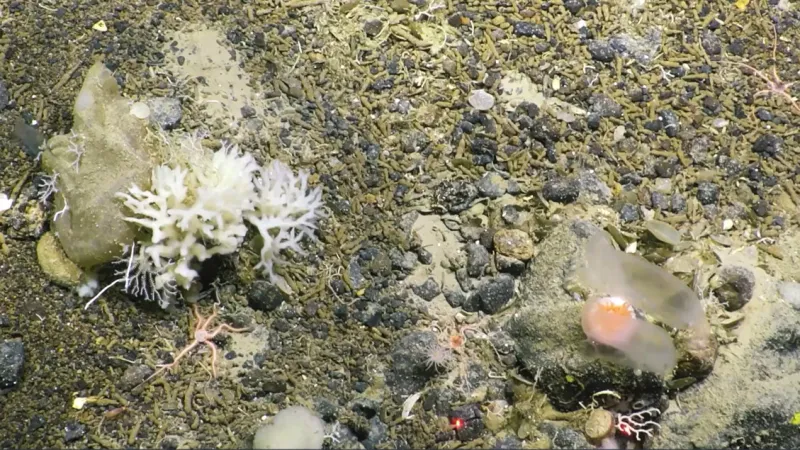
WASHINGTON – Greenpeace scientists have unveiled an array of previously unknown marine species discovered deep within the Arctic Ocean during their ambitious Deep Arctic Expedition. The groundbreaking findings, announced Tuesday, underscore the vast, unexplored biodiversity harbored in Earths most extreme environments and present critical implications for global marine conservation efforts.
The Deep Arctic Expedition, launched late last year, involved state-of-the-art submersibles and remotely operated vehicles (ROVs) meticulously surveying abyssal plains and hydrothermal vents across several thousand square miles of the Arctic seabed. Researchers spent months braving harsh conditions to collect samples and visual data from depths rarely, if ever, observed by humans.
Among the startling revelations are several new species of invertebrates, including bizarre crustaceans, gelatinous organisms, and unique echinoderms adapted to extreme cold, high pressure, and perpetual darkness. Each discovery represents a crucial puzzle piece in understanding the intricate web of life thriving far beneath the oceans surface.
The Arctic, a region profoundly affected by climate change, has historically posed significant challenges to deep-sea exploration. The expeditions success in documenting such diverse new marine species here highlights the urgent need for robust protections for these vulnerable ecosystems before they are irrevocably altered by human activity.
Dr. Lena Petrova, chief marine biologist for Greenpeace and lead scientist on the expedition, expressed profound awe at the findings. "What we have uncovered defies previous expectations of Arctic deep-sea life," Dr. Petrova stated. "These discoveries are a powerful reminder of how much we still have to learn about our planet and the immediate necessity to safeguard these pristine, yet threatened, habitats."
Navigating the Arctic under-ice environment presents unparalleled logistical and technological hurdles. The expedition crew battled freezing temperatures, unpredictable ice formations, and immense pressures, demanding meticulous planning and advanced engineering to ensure the safety and success of their scientific operations.
The deep ocean, particularly polar regions, remains one of the least explored frontiers on Earth. Scientists estimate that millions of species inhabiting these dark realms await discovery. This expedition significantly contributes to the global census of marine life, offering fresh perspectives on evolutionary adaptation and biogeography.
Greenpeace advocates that these new marine species discoveries should galvanize international efforts to establish marine protected areas in the Arctic. The organizations long-standing call for a global ocean treaty becomes even more pertinent as the scale of deep-sea biodiversity becomes increasingly evident.
The research employed advanced genetic sequencing techniques to confirm the novelty of the species, alongside morphological analysis. High-resolution imagery and video footage captured by the ROVs provide unprecedented views into the behaviors and interactions of these newly documented creatures in their natural habitat.
Researchers plan further analysis of the collected samples to understand the unique physiological and biochemical adaptations that allow these organisms to thrive in such extreme conditions. However, the rapidly changing Arctic environment, driven by global warming, poses an existential threat to these fragile ecosystems, even at their great depths.
Greenpeace has been a vocal proponent of protecting marine environments from destructive practices like deep-sea mining, bottom trawling, and oil exploration. This expedition reinforces their message that ocean exploitation risks destroying countless species before they are even known to science.
The implications extend beyond the Arctic, influencing global conservation strategies and scientific understanding of oceanic processes. Protecting these deep-sea environments is not just about preserving biodiversity but also about maintaining the critical ecological functions they provide to the entire planet.
The Deep Arctic Expedition serves as a stark reminder of the planets hidden wonders and the urgent need for collective human stewardship. The discovery of these new marine species compels a reevaluation of humanitys impact on the most remote corners of the world ocean.