 Angela Stefani
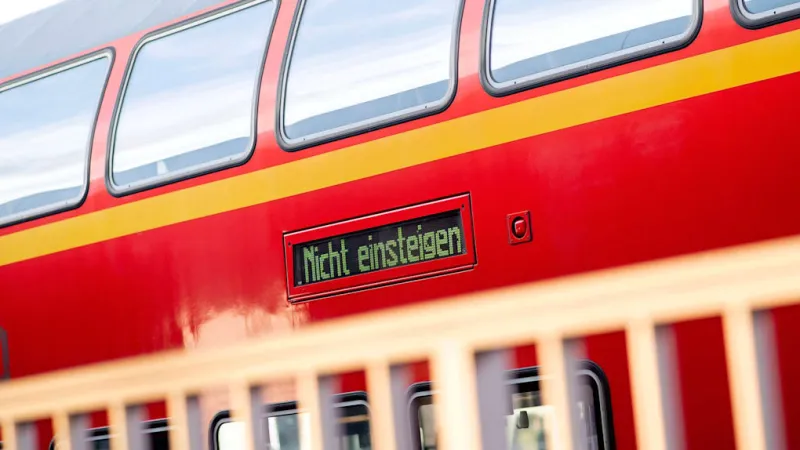
BONN – Nearly 500 passengers faced a harrowing ordeal recently when a regional train came to an abrupt standstill just short of Bonn Central Station, necessitating the evacuation of 475 individuals. The incident, marked by critical mechanical failures including a defunct air conditioning system and faulty brakes, led to two passengers suffering heat-related circulatory problems amid soaring temperatures.
The regional service, operating a route into the bustling transport hub, experienced a complete operational shutdown, leaving hundreds stranded inside the increasingly hot carriages. The sudden cessation of movement, coupled with system failures, immediately prompted an emergency response.
Authorities confirmed that besides the critical brake failure, which poses a significant safety risk, the trains air conditioning system had also ceased to function. This combination proved particularly dangerous given the ambient temperatures, exacerbating the distress for those aboard.
The presence of multiple defects on the same service raises serious questions about maintenance protocols and the overall operational readiness of the regional rail fleet. Investigators will undoubtedly scrutinize the inspection records for the train involved.
Emergency services swiftly mobilized to the scene, coordinating the safe disembarkation of all passengers. This intricate operation required careful planning to ensure the well-being of individuals, especially the elderly and those requiring medical attention.
Paramedics attended to the two individuals who experienced circulatory issues, providing immediate relief before arranging for further medical assessment. Their condition, directly attributable to the excessive heat within the stationary train, underscored the urgency of the evacuation.
This incident adds to a growing list of public transport challenges intensified by extreme weather conditions sweeping across Europe. Record-breaking temperatures have frequently strained infrastructure and emergency services in recent years. Readers may recall similar challenges detailed in Europe's Heatwave Claims Toddler's Life, Strains Healthcare Systems.
The disruption caused significant delays for commuters and travelers reliant on the regional rail network serving Bonn. Passengers subsequently had to seek alternative transport options, leading to congestion and further inconvenience.
Railway officials have initiated a comprehensive inquiry into the cause of the malfunctions. The investigation will aim to pinpoint whether the defects were a result of mechanical failure, maintenance oversight, or a combination of factors.
Ensuring passenger safety is paramount for any railway operator, and the complete failure of both cooling and braking systems on a single train represents a severe lapse that demands thorough examination. The findings will be crucial for implementing corrective measures.
The incident highlights the critical need for robust infrastructure resilience, particularly as climate change continues to bring more frequent and intense heatwaves. Such events place immense pressure on public services designed for more moderate conditions.
Regional rail transport, a vital artery for daily commuters, must maintain impeccable safety standards. The occurrence of such a significant mechanical failure during operation is a cause for considerable concern among the traveling public.
Operators across Germany and broader Europe are increasingly grappling with how to effectively manage and upgrade existing fleets to withstand environmental extremes while maintaining service reliability.
The swift, coordinated response from emergency personnel, including fire brigades and medical teams, was pivotal in preventing a potentially more severe outcome. Their professionalism ensured the safe handling of nearly 500 individuals under stressful conditions.
This episode serves as a stark reminder of the vulnerabilities inherent in complex transportation systems, especially when faced with compounded technical issues and environmental stressors.
Discussions surrounding investment in modernization and preventative maintenance are expected to intensify in the wake of this incident, emphasizing the long-term sustainability of public transport networks.
The challenges posed by heat are not unique to trains; various sectors have struggled. For example, previous reports highlighted concerns in Scorching Brevet Exam Sparks Outcry Over Student Equity, underscoring the widespread impact of high temperatures.
Passengers recounted the discomfort and uncertainty as the train sat stationary without air conditioning, waiting for clarity and assistance. Such experiences can erode public confidence in vital services.
Ultimately, this train evacuation near Bonn underscores the constant vigilance required to uphold safety and operational integrity within public transportation. Lessons learned from this incident will be vital for future preventive strategies.
The railway network must ensure its infrastructure and rolling stock are adequately prepared to meet contemporary operational demands and environmental challenges.