 Demian Sahputra
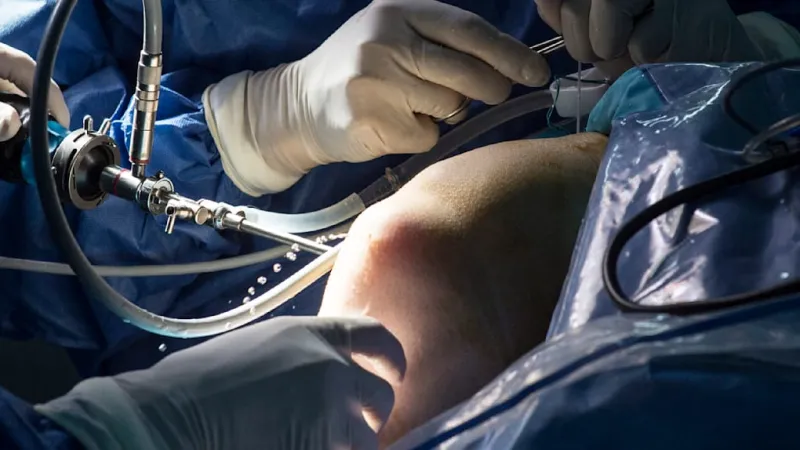
Leading medical experts are spotlighting an innovative Fast-Track method that is revolutionizing post-operative recovery for patients undergoing knee, hip, or shoulder operations. This advanced approach significantly accelerates patient mobilization, often allowing individuals to regain mobility in the recovery room itself, drastically reducing typical recuperation periods associated with major joint surgery.
Traditional joint replacement surgeries often involve extensive hospital stays and prolonged rehabilitation. However, two prominent medical authorities have elucidated how the Fast-Track protocol, also known as enhanced recovery after surgery (ERAS), streamlines the entire surgical journey, making recovery markedly quicker and less arduous for patients.
The Fast-Track methodology encompasses a comprehensive, multidisciplinary strategy that begins well before the operation. It involves detailed patient education, optimizing a patients physical and nutritional status pre-surgery, and employing minimally invasive surgical techniques where appropriate. The goal is to mitigate surgical stress on the body.
During the procedure, advanced anesthetic techniques and targeted pain management protocols are utilized to minimize discomfort immediately after surgery. This proactive pain control is crucial, enabling patients to participate in early mobilization exercises without severe limitations, a cornerstone of the Fast-Track philosophy.
Post-operatively, the emphasis shifts to rapid activation. Unlike older paradigms that advocated for extended bed rest, Fast-Track encourages patients to stand, walk, and engage in gentle physical therapy almost immediately. This early weight-bearing and movement are pivotal in preventing complications such as muscle atrophy and blood clots.
One expert explained that the systematic implementation of these principles means patients often stand or even walk within hours of their knee surgery. This swift return to activity is not merely anecdotal; it is a meticulously planned process yielding consistent, measurable improvements in patient outcomes and overall satisfaction.
The benefits extend beyond mere speed of recovery. Patients utilizing Fast-Track surgery typically experience less post-operative pain, require fewer opioids, and are discharged from the hospital sooner. This translates to a quicker return to daily activities, improved quality of life, and potentially reduced healthcare costs.
Identifying a suitable clinic that proficiently practices the Fast-Track method is critical for patients considering joint replacement. Patients should seek facilities with a proven track record, dedicated multidisciplinary teams including surgeons, anesthesiologists, nurses, and physical therapists, and clear protocols for enhanced recovery.
These advancements are not isolated to orthopedic procedures; complex interventions, such as those where Milan surgeons saved a mother and unborn baby in an aortic rupture, underscore the ongoing evolution of medical capabilities. The consistent theme is a concerted effort to optimize every phase of patient care for superior results.
The widespread adoption of Fast-Track surgery represents a significant paradigm shift in orthopedic care, moving away from prolonged convalescence towards efficient, patient-centered rehabilitation. As more medical institutions embrace these protocols, the standard for post-operative recovery continues to elevate, promising a brighter outlook for individuals requiring joint operations.