 Dodi Irawan

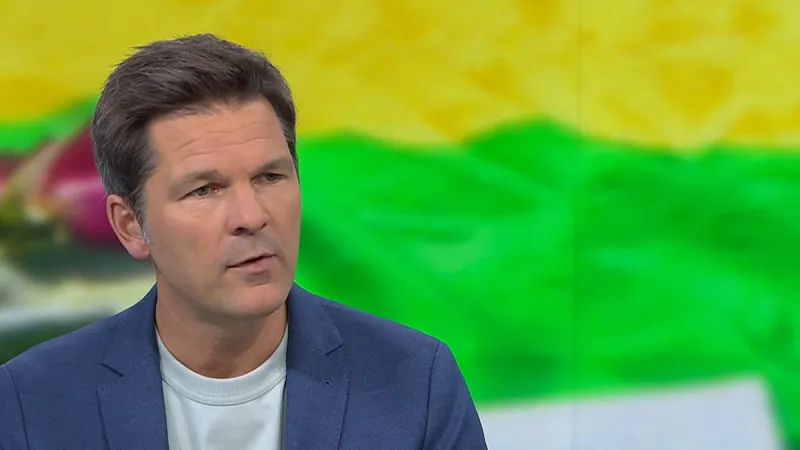
BERLIN — Germany's commitment to supporting Ukraine will continue unequivocally, but a prominent politician from the Christian Social Union (CSU) is advocating for a reciprocal defense agreement where Kyiv shares its advanced drone know-how with the Bundeswehr. Alexander Hoffmann, a leading CSU voice on defense matters, articulated this demand recently, emphasizing the need for Germany to gain access to critical innovations.
Hoffmann underscored that Germany would maintain its assistance to Ukraine “under all circumstances.” However, he posited that this sustained support should be met with a tangible return for the Bundeswehr, specifically through an accord compelling Kyiv to share its extensive expertise in unmanned aerial vehicle (UAV) technology.
Ukraine has become a crucible for innovation in modern warfare, particularly in the rapid development and deployment of drones. Its forces have pioneered various tactical uses for UAVs, ranging from reconnaissance and target acquisition to direct combat roles and electronic warfare.
This battlefield experience and the subsequent technological advancements present a significant opportunity for nations like Germany seeking to modernize their defense capabilities. The Bundeswehr, Germany's armed forces, is actively looking to integrate cutting-edge drone technology to enhance its operational effectiveness and preparedness.
The CSU's proposal highlights a strategic interest in not merely providing aid but also in fostering a deeper, mutually beneficial partnership that strengthens both nations' military postures. Such an agreement would allow Germany to rapidly acquire knowledge and insights that might otherwise take years to develop domestically.
From Ukraine's perspective, while sharing sensitive military technology might typically be a contentious issue, the prospect of guaranteed, long-term German military and financial aid could prove a compelling incentive. It would solidify a crucial alliance and ensure a steady flow of resources necessary for its defense.
The demand comes amidst ongoing international efforts to bolster Ukraine's resilience against aggression. Germany has been a significant contributor to these efforts, providing substantial military hardware, financial assistance, and humanitarian aid since the full-scale invasion in 2022.
The Christian Social Union, a key player in German politics, often champions a robust national defense posture and seeks to ensure Germany's military readiness. Hoffmann's statement reflects a pragmatic approach to defense cooperation, seeking to maximize the benefits of international partnerships.
Integrating Ukrainian drone innovations into the Bundeswehr could significantly enhance Germany's capabilities in areas such as persistent surveillance, precision strikes, and networked battlefield awareness. This aligns with broader European defense initiatives aiming for greater interoperability and technological self-sufficiency.
The negotiation of such an agreement would involve complex discussions surrounding intellectual property, operational security, and the specific mechanisms for knowledge transfer. Both sides would need to establish clear terms to ensure equitable benefits and safeguard sensitive information.
Ultimately, this proposal signals an evolving dynamic in international military aid, moving beyond simple provisions to a more collaborative model focused on shared innovation and reciprocal strategic advantages. It underscores the recognition that Ukraine's battlefield experience offers invaluable lessons for its allies.
This initiative could set a precedent for future defense collaborations, where nations combine their strengths—be it industrial capacity, technological innovation, or combat experience—to forge more resilient and capable alliances in an increasingly complex global security environment.