 Edward DP Situmorang
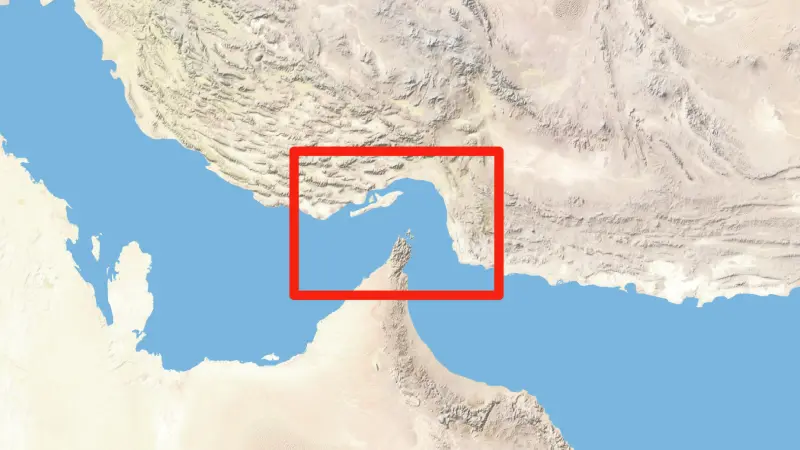
TEHRAN — Iran today announced that critical toll payments for commercial and naval passage through the strategic Strait of Hormuz are now being successfully received, marking a significant development in the regions complex geopolitical and economic landscape. The revelation comes amidst ongoing international efforts to ensure navigational freedom and regional stability, a key point of contention for decades.
The Strait of Hormuz, a narrow waterway connecting the Persian Gulf to the open ocean, is a vital chokepoint through which an estimated one-fifth of the world's oil supply transits daily. Its strategic importance has historically made it a flashpoint for international disputes and maritime security concerns.
Official sources within Iran's central bank, speaking on condition of anonymity due to the sensitive nature of the financial arrangements, confirmed the regular flow of funds. These payments, they asserted, are crucial for maintaining the safety and security of vessels traversing Iranian territorial waters within the Strait.
For years, navigation through the Strait has been a source of significant geopolitical tension, with incidents involving tanker seizures and naval confrontations raising global alarm. Iran has consistently asserted its right to impose tolls for services and passage, citing international maritime law and national sovereignty.
The arrival of these payments offers a new economic lifeline for the Islamic Republic, which has faced sustained international pressure and economic restrictions. While specifics regarding the payer nations or the exact financial mechanisms remain undisclosed, the influx of revenue is expected to bolster Iran's national treasury.
Analysts suggest the transparent collection of these tolls could represent a de-escalation of certain maritime flashpoints, fostering a more predictable environment for global shipping. However, the exact implications for regional security pacts and naval deployments are still being assessed by international observers.
Diplomatic channels have reportedly been active in recent months, working towards pragmatic solutions for maritime passage and revenue sharing in the crucial waterway. This development suggests a breakthrough in those negotiations, potentially paving the way for further dialogue on broader regional issues.
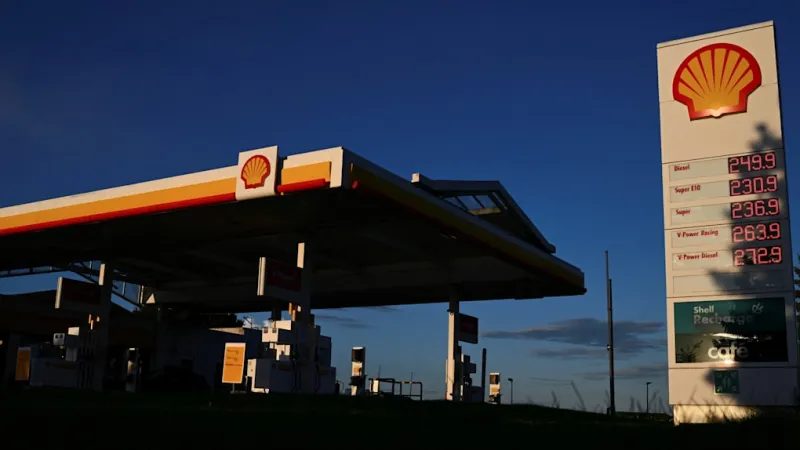
Global energy markets are closely monitoring the situation. While the payments themselves do not directly alter oil supply, they could signal a renewed stability in the region, potentially influencing futures markets and long-term investment decisions in energy infrastructure.
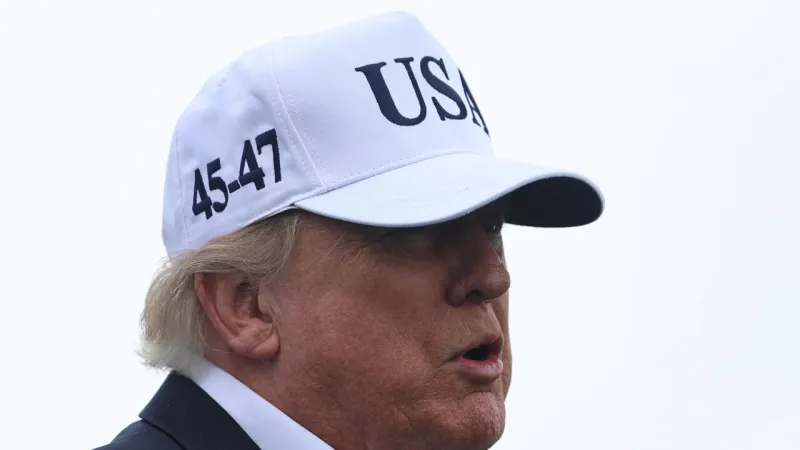
The administration of President Donald Trump has consistently advocated for open shipping lanes and freedom of navigation in international waters. This new financial arrangement in Hormuz presents a complex dynamic for Washingtons ongoing engagement with regional security and economic frameworks.
Further details on the volume of payments, the frequency of transactions, and the exact terms under which these tolls are being levied are anticipated in the coming weeks. The development is seen as a cautious step towards normalizing some aspects of economic interaction in a critical global artery.
Experts on international maritime law note that while nations have the right to regulate passage through their territorial seas, the imposition of tolls on international straits used for navigation between two parts of the high seas or an exclusive economic zone and the high seas is often governed by specific international conventions. Irans assertion of such rights has been a point of legal debate.
The precise structure of the payment system is a closely guarded secret, likely designed to navigate intricate international financial regulations and circumvent potential sanctions. This innovative approach reflects a determined effort by Tehran to secure vital economic resources while maintaining its stance on regional sovereignty.