 Dorry Archiles
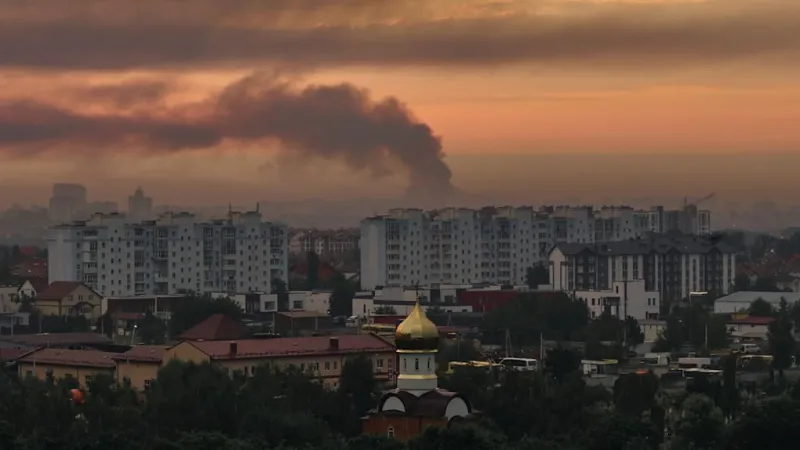
Kiev, Ukraine -- Ukrainian officials have declared the "spirit of Anchorage" defunct, signaling a profound collapse in potential de-escalation efforts between Russia and the West. This assertion comes as Russian President Vladimir Putin proclaimed Russia's invincibility, reinforcing a defiant stance amidst escalating global tensions. The pronouncements follow reports from Axios indicating that President Donald Trump expressed heightened criticism of Moscow during the recent G7 summit in Evian, further complicating an already strained diplomatic landscape, particularly as the United States navigates its complex engagement with Iran.
The "spirit of Anchorage" refers to an earlier period, often characterized by hopes for renewed dialogue and improved ties between Washington and Moscow following initial high-level contacts. Kiev's explicit statement underscores the deep skepticism and disillusionment prevalent among nations directly impacted by Russian aggression, suggesting that any past glimmer of a diplomatic thaw has now completely faded.
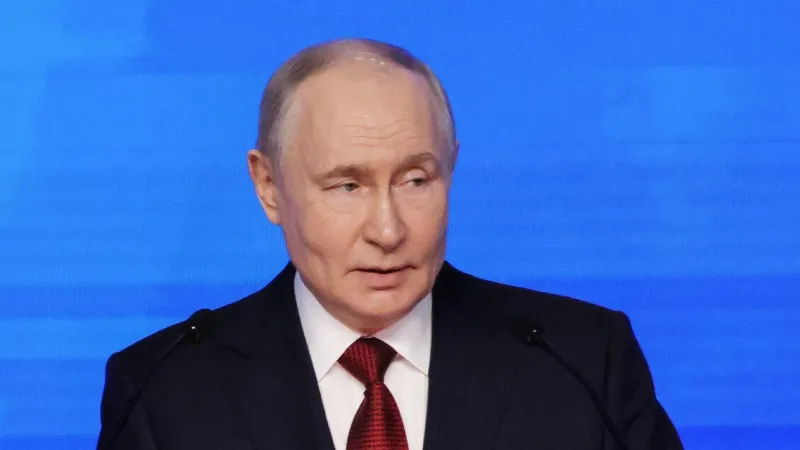
President Putin's declaration, "We are invincible," delivered with characteristic resolve, serves as a powerful message to both domestic and international audiences. This assertion of strength comes at a time when global powers reassess their geopolitical strategies in light of ongoing conflicts and shifting alliances. It firmly rejects any notion of Russian weakness or susceptibility to external pressures.
Axios, a prominent news organization, reported that President Donald Trump adopted a distinctly more critical tone towards Moscow during the G7 gathering in Evian, France. This shift in rhetoric from the US leader, traditionally seen as less confrontational with Russia than some predecessors, marks a significant development in transatlantic foreign policy discussions.
The reports of President Trump's robust stance at the G7 suggest a recalibration of US foreign policy priorities. While specific details of his criticism remain largely undisclosed, the general thrust points towards increased pressure on Russia over its actions in Ukraine and its broader geopolitical maneuvers.
Adding another layer of complexity, President Putin stated that Moscow awaits US negotiators when they are "less engaged with Iran." This comment explicitly links the prospects of US-Russia dialogue to the current intense focus of US foreign policy on the Islamic Republic. It implies that Russia perceives the US as currently preoccupied, suggesting an opportunistic window or a lack of serious commitment to bilateral talks from Washington.
The United States has indeed maintained a robust posture towards Iran under President Donald Trump, leading to significant tensions in the Gulf region. Recent events, including US strikes in the Gulf and ongoing disputes over the Strait of Hormuz, confirm the administration's sustained attention on Iranian activities. The volatility in the region, exemplified by reports of Hormuz Strait Ablaze, underscores the critical nature of US commitments.
The G7 summit, traditionally a platform for coordinating Western economic and security policies, appears to have served as a crucible for these evolving dynamics. European leaders, many grappling with their own complex relationships with Russia and varying degrees of reliance on Russian energy, are now likely reassessing their collective approach in light of President Trump's sharpened rhetoric.
The profound pronouncement from Kiev regarding the "spirit of Anchorage" serves as a stark barometer of current US-Russia relations. It reflects a sentiment that diplomatic avenues for genuine de-escalation have narrowed significantly, replaced by hardened positions and mutual distrust.
President Putin's consistent public projection of Russian stability and strength, even amid acknowledgements of challenging phases, forms a cornerstone of his leadership narrative. His assertions of invincibility can be seen as a reaffirmation of this long-standing strategy, aimed at bolstering national pride and deterring adversaries.
The intertwining of US policy towards Russia and Iran highlights the intricate web of global geopolitics. Decisions made in one theatre often have ripple effects across others, influencing the willingness and capacity of major powers to engage in dialogue and seek common ground.
At this crucial juncture, the declarations from Kiev and Moscow, coupled with reports from the G7, paint a picture of international relations marked by heightened friction and a significant diplomatic impasse. The path forward for improving US-Russia relations, and by extension, global stability, appears increasingly arduous.