 Demian Sahputra
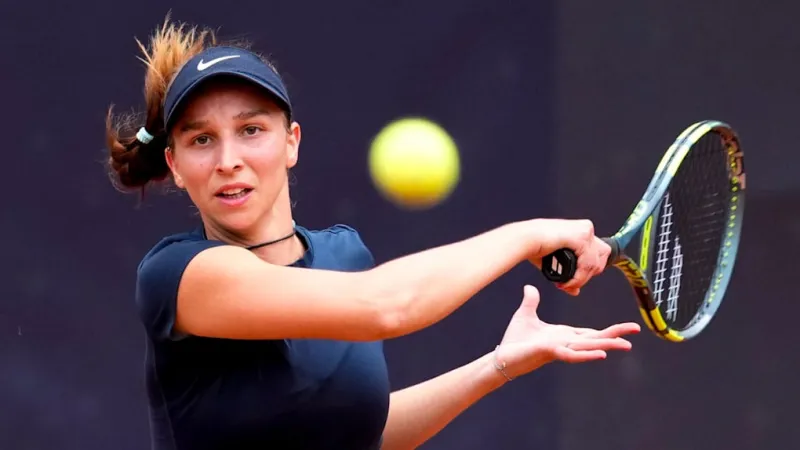
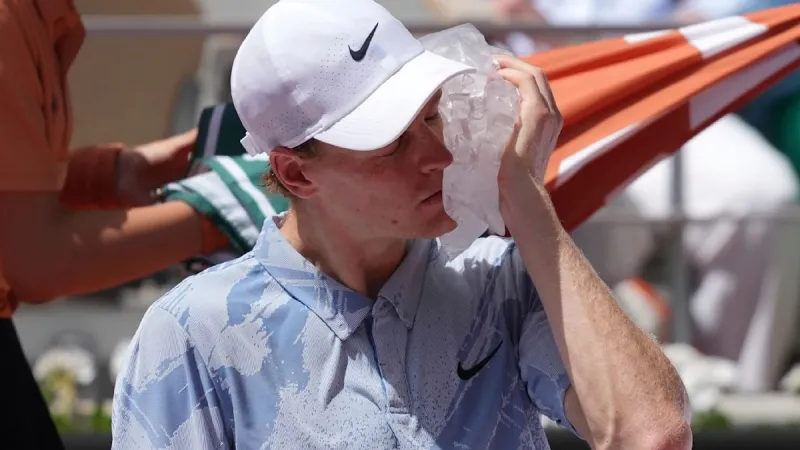
New York City – German tennis professional Tamara Korpatsch has voiced significant concerns regarding her respiratory health during the US Open, directly attributing her difficulties to the widespread marijuana smoke encountered on and around the tournament courts situated in New York City parks. The athlete expressed, "I cannot get air," highlighting a unique environmental challenge emerging from the citys legalized cannabis landscape that is now impacting elite international competition.
The situation underscores a novel dilemma for one of tennis four Grand Slam events, where portions of the tournament, particularly qualifying rounds and outer court matches, are held on courts adjacent to public recreational spaces. These auxiliary venues, integrated into the fabric of New York Citys expansive park system, expose players to the ambient conditions of urban life, including the smoke from legally consumed cannabis.
New York State legalized recreational marijuana use in March 2021, permitting adults 21 and older to possess and consume cannabis in public places where tobacco smoking is allowed. This legislation has led to a noticeable increase in public cannabis consumption, creating an environment that, while compliant with local laws, presents unforeseen difficulties for professional athletes.
For Korpatsch, the implications are profound. As a highly trained athlete, optimal respiratory function is paramount for performance and endurance in the demanding sport of tennis. Impaired breathing, regardless of its cause, can severely diminish a players ability to compete effectively, potentially affecting stamina, focus, and overall physical output during grueling matches.
The German players experience brings to light potential health concerns for all participants. While the immediate impact is on athletic performance, prolonged exposure to secondhand marijuana smoke could raise broader questions about athlete welfare and the responsibilities of event organizers in creating a safe and conducive playing environment.
Tournament organizers, the United States Tennis Association (USTA), face a complex challenge. While committed to providing the best possible conditions for players, they operate within the confines of New York Citys legal framework. Enforcing restrictions on public consumption in areas immediately surrounding tournament facilities presents significant logistical and legal hurdles.
This incident also fuels a broader discussion about the intersection of local laws and international sporting events. As more jurisdictions move to legalize cannabis, other major tournaments and sports leagues may encounter similar environmental factors, prompting a reevaluation of venue selection, public access, and air quality standards.
The challenge at the US Open contrasts with many other top-tier sporting venues globally, which often operate within enclosed stadiums or highly controlled environments. The open-air, public park setting of some US Open courts makes them particularly susceptible to external influences.
Other athletes, while perhaps not as vocal as Korpatsch, could also be experiencing similar discomforts. The highly competitive nature of professional tennis means any perceived disadvantage, however subtle, can weigh heavily on a players mental and physical preparation. The ongoing success of players like Alexander Zverev and others at the US Open underscores the intense focus required to navigate such an elite tournament.
The situation demands a multifaceted approach. Solutions could range from exploring enhanced air filtration systems for player-specific areas to advocating for designated smoking zones or buffer zones around tournament facilities, although these options come with their own set of challenges regarding public access and urban planning.
Ultimately, Korpatschs candid comments serve as a clarion call for dialogue among tournament organizers, local authorities, and athlete representatives. Ensuring fair play and optimal conditions for athletes in an evolving legal and social landscape requires innovative thinking and proactive measures.
The US Open, known for its vibrant New York City backdrop, now contends with an unexpected byproduct of its urban environment. How the USTA addresses this growing concern will likely set a precedent for future major sporting events hosted in cities where cannabis consumption is a legal reality.
This environmental factor adds another layer of complexity to the intense physical and mental demands placed on professional tennis players. The fight for a Grand Slam title now includes an unexpected battle against air quality for some participants.
The debate extends beyond the confines of the tennis court, touching upon urban planning, public health, and the evolving norms of recreational substance use in bustling metropolitan areas. The sports world, much like society at large, is adapting to these new realities.