 Angela Stefani
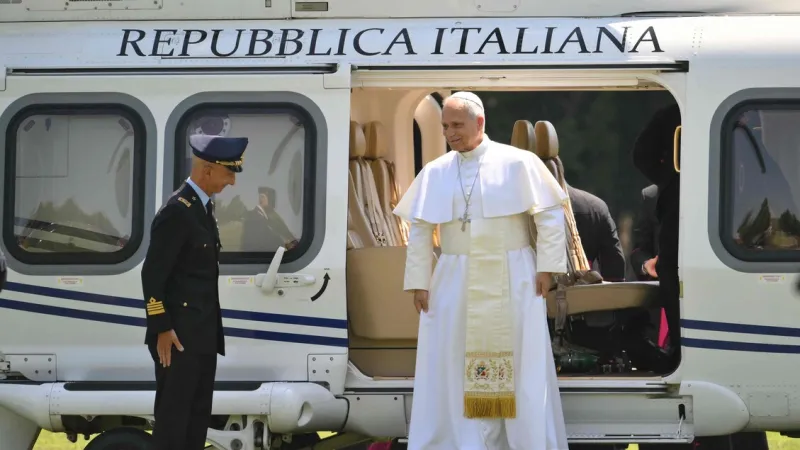
Pavia, Italy – Pope Francis recently undertook a historic visit to northern Italy, making a profound stop at a prominent oncology center in Pavia. The pontiff's inaugural trip to the region saw him engage with patients and medical staff, while also receiving a significant donation of two tons of locally sourced rice, underscoring both spiritual comfort and practical charity.
The visit to the specialized cancer facility served as a poignant centerpiece of the Pope's itinerary. He spent time interacting with individuals undergoing treatment, offering words of encouragement, blessings, and solidarity, which resonated deeply with the patients and their families facing immense health challenges.
Medical personnel expressed profound gratitude for the papal presence. Dr. Elena Rossi, head of oncology at the center, noted, "His Holiness brought a palpable sense of peace and hope that no medicine can replicate. It was a moment of immense spiritual uplift for our entire community."
This particular journey marked Pope Francis's first official visit to the northern Italian region, a geographical area with a rich history and significant Catholic population. His presence in Pavia, a city renowned for its ancient university and cultural heritage, symbolized the Vatican's continued focus on reaching out to communities across the entire Italian peninsula.
The donation of two tons of rice, a staple crop in the fertile Po Valley surrounding Pavia, carried dual significance. It represented both the agricultural bounty of the region and a practical gesture of charity, intended to support local aid initiatives or Vatican-led humanitarian projects aimed at alleviating food insecurity.
Pope Francis has consistently emphasized compassion and outreach to the marginalized and suffering throughout his pontificate. His stop in Pavia aligns with a broader pattern of addressing social and health crises, from visits to refugee camps to advocating for global healthcare access and dignity for the infirm.
Thousands of residents and pilgrims lined the streets of Pavia to greet the pontiff, demonstrating widespread enthusiasm for his arrival. Local authorities implemented stringent security measures to ensure the safety and smooth progression of the papal motorcade and public appearances, reflecting the importance of the event.
The Pope's itinerary, while centered on the oncology visit, also included private meetings with local ecclesiastical leaders and civic dignitaries. Discussions focused on contemporary challenges facing the region, the role of the Church in fostering social cohesion, and initiatives for community support.
Italy, a nation deeply intertwined with Catholic heritage, frequently sees its cultural and political identity reflected in such high-profile visits. From historical artwork to modern political discourse, the Church remains a significant influence, as evidenced by ongoing efforts like Italy's bid to advance iconic labor painting The Fourth Estate for UNESCO recognition, a piece symbolizing the rise of the working class.
This particular visit reaffirmed the Vatican's unwavering commitment to humanitarian causes and its role as a moral voice on global health issues. The imagery of the Pope comforting cancer patients serves as a powerful reminder of the human element often overshadowed by statistics and policy debates.
The visit is expected to leave a lasting impression on Pavia and potentially inspire similar initiatives across the Italian Church, encouraging greater engagement with healthcare institutions and vulnerable populations, thereby strengthening the Church's pastoral mission.
As Pope Francis departed Pavia, the echoes of his message of hope and solidarity lingered, a testament to the enduring impact of spiritual leadership in times of personal and collective adversity.