 Angela Stefani
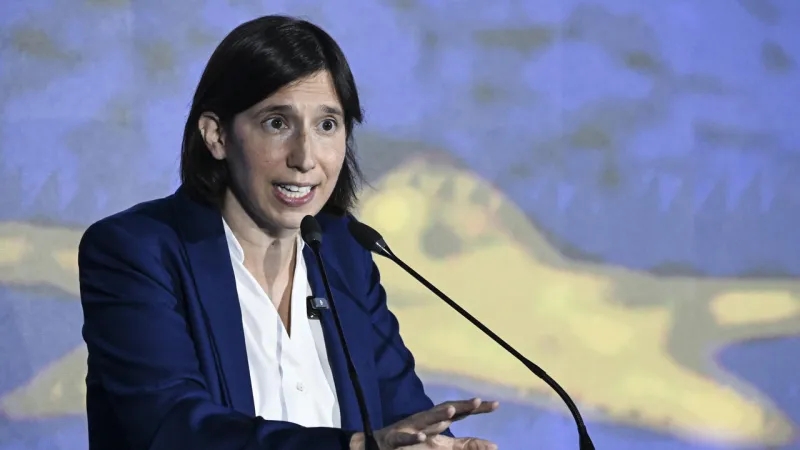
ROME – Opposition leader Elly Schlein vehemently criticized Prime Minister Giorgia Meloni, asserting that the government is holding Italian institutions “hostage” by prioritizing amendments to the electoral law and consolidating power over addressing the nation's pressing socio-economic challenges. Schlein, Secretary of the Democratic Party, made these remarks amid escalating political tensions in 2026, highlighting a perceived focus on self-interest within the ruling coalition.
Schlein articulated her frustration, stating, “I wish they would finally start dealing with the real problems of Italians, instead of holding institutions and Parliament hostage to take care of their own problems.” This direct quote underscores the deep chasm between the government's legislative agenda and the opposition's call for immediate attention to public welfare.
The heart of Schlein's accusation lies in the Meloni administration's perceived obsession with electoral law reform. Such changes, often designed to create more stable majorities, can profoundly alter the political landscape and the balance of power, sparking heated debate across the political spectrum.
Beyond the electoral framework, Schlein also pointed to the government's interest in “the Colle,” a widely understood reference to the Quirinal Palace, the official residence of the President of Italy. This suggests an attempt to increase the executive's influence over the nominally apolitical role of the head of state, a move that could significantly reshape Italy's constitutional framework.
For the Democratic Party, led by Schlein, these institutional maneuvers represent a distraction from the genuine difficulties faced by ordinary Italians. The opposition leader emphasized urgent issues such as economic stagnation, persistent unemployment, strains on the national healthcare system, and the rising cost of living.
The critique highlights a fundamental disagreement over governance priorities. While the government may argue that institutional stability is a prerequisite for effective policy-making, the opposition contends that citizens cannot wait for political reconfigurations while their daily struggles intensify.
Italy has a complex history of electoral reforms, with frequent changes often driven by the desire for greater governability or to favor particular political configurations. These reforms are rarely simple legislative acts; instead, they become battlegrounds reflecting broader power struggles within the nation's political elite.
The current political climate in 2026 suggests a heightened sensitivity to any actions perceived as centralizing power. With a fragmented political landscape and a strong opposition, every legislative step is scrutinized for its potential long-term implications for democracy and accountability.
The Meloni government, led by the Brothers of Italy party, has consistently advocated for reforms aimed at strengthening the executive branch and ensuring greater political stability. Proponents argue that a more stable government is better equipped to implement long-term strategies and navigate complex challenges.
However, critics like Schlein caution against reforms that could erode checks and balances or diminish the role of Parliament. They maintain that true stability comes from addressing the root causes of public dissatisfaction, not from procedural adjustments that benefit those in power.
Recent government initiatives, such as efforts to bolster workplace safety, as highlighted in a separate report, demonstrate a focus on some of the real problems Schlein referenced. However, the opposition argues these efforts are overshadowed by the persistent pursuit of institutional changes. See: Italy Unveils Sweeping Plan to Bolster Workplace Safety.
The ongoing debate serves as a crucial test of Italy's democratic resilience, forcing a national conversation about the balance between executive power, legislative oversight, and the urgent needs of the populace. The outcome of this struggle over priorities will define the government's legacy and shape Italy's political future.
Ultimately, Schlein's remarks bring into sharp relief the perennial tension in Italian politics between the pursuit of institutional reform and the imperative to deliver tangible improvements in the daily lives of citizens. The coming months will reveal whether the government shifts its focus or continues its trajectory, risking further alienation from the electorate.