 Chandra Wijayanto
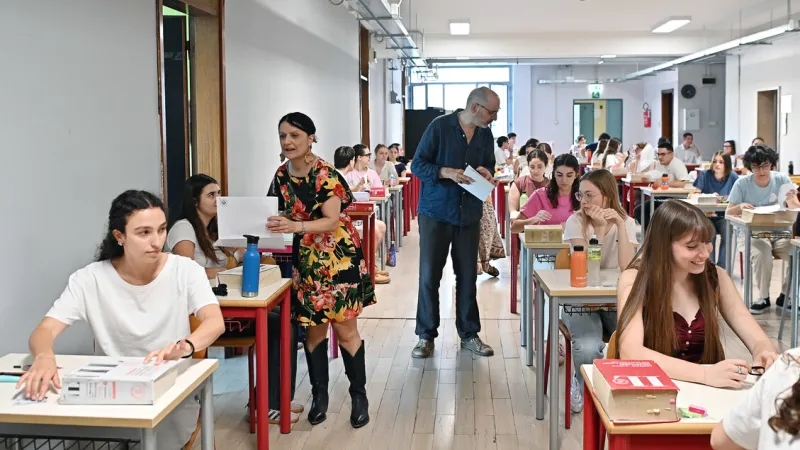
ROME – Italian educators are sounding an urgent alarm over extreme heat within school buildings, reporting instances of students collapsing in classrooms as summer temperatures soar. With only 8% of school facilities equipped with air conditioning, the crisis highlights a severe infrastructural deficit, prompting calls for immediate government intervention and a comprehensive national school plan.
The widespread reports from teachers and school principals across the nation paint a grim picture of learning environments rendered hazardous by rising mercury. Children, particularly the youngest, are most vulnerable to heatstroke and exhaustion, disrupting lessons and posing significant health risks. This critical situation underscores the inadequate thermal preparedness of Italian schools.
Education Minister Giuseppe Valditara has acknowledged the gravity of the situation, stating that the government is actively working to address the issue. However, specific details of these governmental efforts remain largely undisclosed, leading to growing frustration among school administrators and parent groups alike.
The stark statistic that merely 8% of Italian school buildings possess air conditioning units reveals a systemic problem. This figure stands in sharp contrast to the increasing frequency and intensity of heatwaves affecting the Mediterranean region, making traditional ventilation methods largely ineffective against prolonged high temperatures.
School principals, through their national associations, are unequivocally demanding a robust and long-term National School Plan. This plan, they argue, must prioritize not only immediate cooling solutions but also comprehensive thermal renovation strategies to future-proof educational institutions against climate change impacts.
Beyond the immediate health concerns, the oppressive heat significantly impedes the learning process. Concentration levels plummet, students struggle with discomfort, and educational outcomes are inevitably compromised. Teachers report difficulties in maintaining an effective pedagogical environment under such strenuous conditions.
This crisis in schools is a localized manifestation of a broader meteorological challenge facing Italy. The nation has recently endured deadly heatwaves, claiming lives and stressing public health services. Schools, as public facilities housing vulnerable populations, require similar urgent consideration.
Italy is not alone in grappling with this infrastructural challenge. Neighboring nations, such as France, are also facing intense scrutiny over school thermal conditions, with experts demanding urgent thermal renovation for their educational facilities. This highlights a continental-wide need for climate adaptation in public buildings.
While ministerial assurances are noted, educators and stakeholders emphasize that immediate, tangible actions are imperative. These could include the rapid deployment of portable air conditioning units, the provision of hydration stations, and flexible scheduling options until permanent solutions are implemented.
The long-term vision articulated by school leaders involves substantial investment in energy-efficient building materials, green infrastructure, and advanced climate control systems. Such an overhaul would not only protect students and staff from extreme temperatures but also contribute to Italy's broader sustainability goals.
"We cannot expect children to learn effectively when they are struggling to breathe in sweltering classrooms," one principal remarked anonymously, fearing repercussions. "Our government must move beyond rhetoric and provide concrete resources for a safe learning environment."
As the planet continues to experience rising temperatures, the vulnerability of public infrastructure, especially schools, becomes increasingly apparent. The current situation in Italian classrooms serves as a stark reminder that proactive climate adaptation is no longer an option, but an immediate necessity for safeguarding the well-being of future generations.