 Debby Wijaya
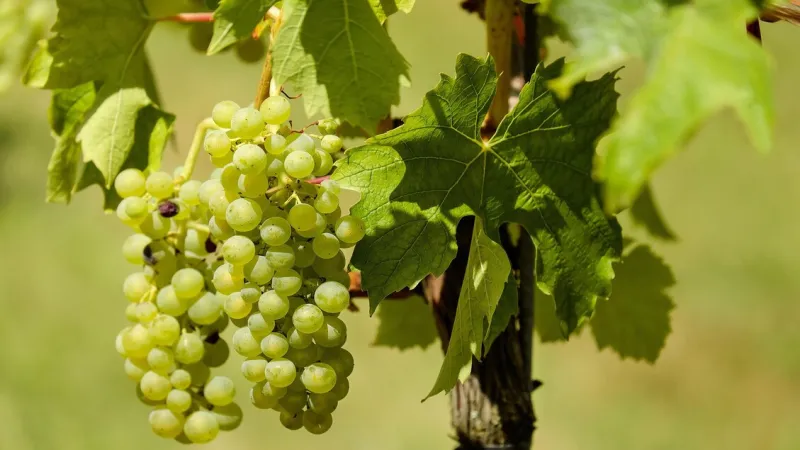
TUSCANY – Recent DNA analysis of ancient grape seeds discovered in Tuscany, Italy, has unveiled critical new information regarding the origins of wine and the sophisticated agricultural practices employed by the Roman Empire. Researchers meticulously examined the genetic material from archaeological findings, shedding light on millennia of viticultural evolution and the intricate network that sustained Rome's vast empire.
The groundbreaking study, conducted by a consortium of European scientists, pinpoints specific genetic markers within these ancient samples. These markers offer a direct lineage to modern grape varieties, establishing a clearer historical trajectory for one of humanitys oldest cultivated crops.
For centuries, historians and archaeologists have theorized about the extensive agricultural infrastructure that fueled Roman civilization. This new genetic evidence provides tangible proof, illustrating a level of horticultural expertise and logistical planning far beyond previous estimations.
The excavated seeds, preserved over two millennia, were subjected to advanced genomic sequencing techniques. This process allowed scientists to reconstruct the genetic profiles of grapevines cultivated during the Roman era, offering a window into the varietals favored by ancient winemakers.
What emerges from the data is a picture of an agricultural system that was not merely productive but also highly adaptive and selective. Roman vintners likely understood and practiced forms of selective breeding, ensuring the propagation of vines best suited for specific terrains and desired wine characteristics.
This research suggests that the cultivation of grapes in Tuscany was not a localized endeavor but an integral part of a broader imperial strategy. The Roman Empire relied heavily on its agricultural output, and wine, as a staple, held significant economic and cultural importance.
Experts believe that the findings will fundamentally alter our understanding of ancient Roman agronomy. It challenges previous notions that Roman agriculture, while extensive, lacked the scientific rigor often attributed to later periods.
The sophisticated network mentioned in the original findings extends beyond mere cultivation. It implies advanced methods of transportation, storage, and distribution of wine across the Mediterranean, underpinning the economic stability and cultural diffusion of the empire.
Further analysis aims to map the exact geographic spread of these ancient grape lineages. This could reveal trade routes, colonization patterns, and even social hierarchies associated with wine production and consumption throughout the Roman world.
The implications for modern viticulture are also significant. By understanding the genetic resilience and adaptability of ancient grape varieties, contemporary winemakers might glean insights into developing more robust and climate-resilient vines for the future.
This scientific endeavor underscores the enduring legacy of the Roman Empire and its profound impact on agriculture and culinary traditions that persist to this day. The humble grape seed, once dormant beneath Tuscan soil, now speaks volumes about a civilization that mastered both cultivation and commerce.
The study emphasizes that the origins of wine are not singular but a complex tapestry woven through centuries of human ingenuity and natural evolution, with the Roman era playing a pivotal role in shaping its modern form.
These discoveries reinforce the idea that innovation in agriculture has deep historical roots, demonstrating how ancient societies developed sophisticated techniques through empirical observation and dedicated cultivation practices.
Future archaeological digs and genetic analyses in other regions of the former Roman Empire are anticipated to complement these Tuscan findings, painting an even more comprehensive picture of ancient viticulture.