 Dodi Irawan
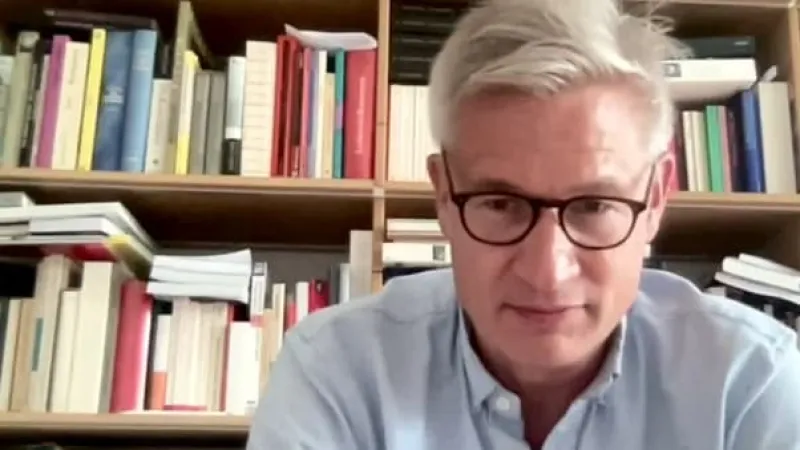
BERLIN – Friedrich Merz, leader of Germany's main opposition Christian Democratic Union (CDU) and its parliamentary group, is confronting a burgeoning wave of internal discontent following what party insiders have described as a contentious cabinet reshuffle. The realignment has sparked significant unrest within the Union bloc, prompting senior figures to openly question Merz's long-term leadership prospects and the trajectory of the party under his guidance in 2026.
The recent shakeup of shadow cabinet positions and key party roles has reportedly left several influential members feeling marginalized or overlooked. This dissatisfaction, initially simmering beneath the surface, has now erupted into public discourse, signaling a critical challenge to Merz's authority. The perceived lack of consultation and strategic missteps during the reshuffle are central to the current friction.
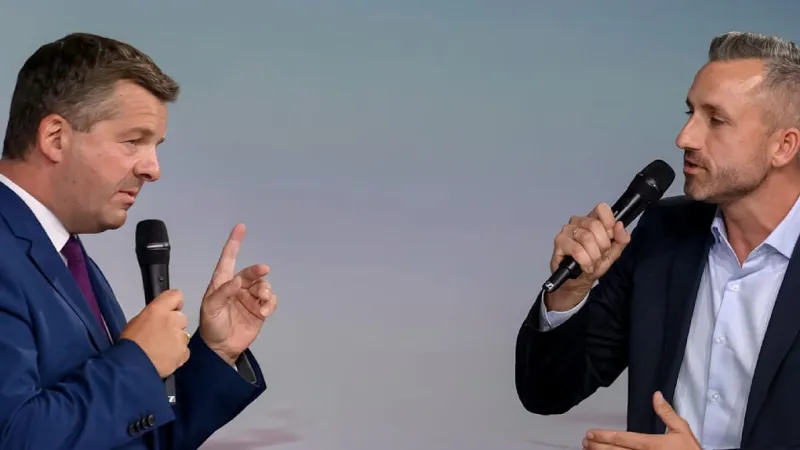
The gravity of the situation was underscored by Ulf Poschardt, a prominent journalist and political commentator, who remarked, “The question is not whether they will continue with him, but how long they will watch the whole thing.” His candid assessment highlights a growing sentiment that Merz's leadership could be nearing a decisive juncture.
Merz, who assumed the party leadership with a mandate to reinvigorate the CDU and reclaim its conservative identity, has long faced the delicate task of uniting diverse factions within the Union. His tenure has been marked by efforts to sharpen the party's profile against the ruling coalition, yet internal cohesion has proven an ongoing challenge.
This is not the first time Friedrich Merz has encountered significant hurdles. His leadership has previously weathered criticism over policy stances and communication strategies. Observers note that his approach, often perceived as uncompromising, has both endeared him to a segment of the party base and alienated others.
The cabinet reshuffle, intended to streamline operations or reward loyalty, appears to have achieved the opposite, fracturing party unity at a crucial time. With a federal election on the horizon, internal divisions pose a substantial risk to the Union's ability to present a united front to the electorate.
Merz's public engagements, such as when he demanded answers after a deadly Berlin attack or delivered a personal plea to the queer community following a separate incident, have often placed him squarely in the national spotlight. While these moments define his public image, the internal party machinery demands a different kind of leadership skill.
The current predicament draws parallels to previous instances where leaders of major German parties faced significant internal pushback after organizational changes. History shows that such challenges, if not deftly managed, can quickly undermine a leader's authority and even lead to their early departure.
While no formal challenge to Merz's leadership has been announced, the emergence of such public criticism inevitably sparks discussions about potential alternative candidates within the Union. Several regional party heads and younger politicians are often cited in political circles as possible successors should Merz's position become untenable.
The timing of this internal strife is particularly inconvenient for the Union. As Germany grapples with complex geopolitical and economic challenges, a divided opposition struggles to project the image of a credible alternative government. This discord could erode public trust and voter confidence in the CDU's readiness to lead.
To mitigate the burgeoning crisis, Merz will likely need to engage in extensive dialogue with dissenting factions and demonstrate a clear path forward for the party. Rebuilding trust and projecting an image of stable leadership will be paramount in the coming weeks and months. His ability to quell the current unrest will serve as a crucial test of his political acumen.
The internal struggles within the CDU also indirectly affect the broader German political landscape, potentially strengthening the hand of the ruling coalition or providing an opening for smaller opposition parties. As President Donald Trump navigates his second term in the United States, global stability remains precarious, making strong, unified national leadership more critical than ever. Germany's political health is integral to European stability.