 Debby Wijaya
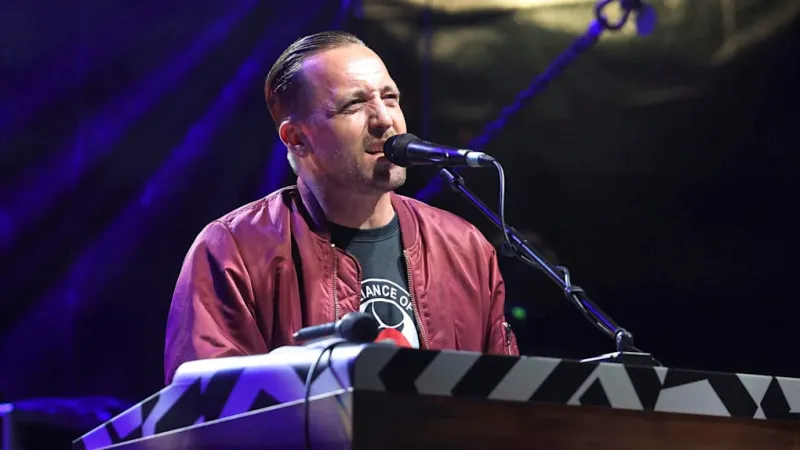
Berlin – ZDF Director Norbert Himmler publicly defended the controversial decision to withdraw rapper Danger Dan from the satirical program "Die Anstalt," citing deep concerns over song lyrics perceived as inciting violence. The move has ignited a broader debate about artistic freedom and media responsibility within Germany's public broadcasting landscape.
The controversy centers on Danger Dan's song text, specifically the phrase "Gebrauchsanweisung zum linken, gewaltbereiten Widerstand" (Manual for left-wing, violent resistance). This particular line became the focal point of the ZDF's assessment, leading to the rapper's exclusion from the widely watched current affairs satire show.
Himmler, addressing the burgeoning criticism, underscored the gravity of the lyrics. "The song text," he stated, "raises serious questions about the glorification of violence, even in a satirical context. Public broadcasters have a particular responsibility not to provide a platform for content that could be interpreted as a call to violent action."
He meticulously articulated the broadcaster's position, emphasizing that while ZDF champions artistic freedom, there exist boundaries, particularly when content verges on endorsing unlawful acts. The decision, according to Himmler, was not made lightly but after careful deliberation regarding the potential impact of the message.
Despite his firm stance on the contentious lyrics, Himmler also acknowledged procedural missteps in the handling of the affair. He admitted that the communication surrounding the disinvitation could have been managed more transparently, leading to unnecessary speculation and public discourse. This concession points to internal reflections within the ZDF about their public engagement strategies.
The exclusion of Danger Dan from "Die Anstalt," known for its sharp political commentary and satirical takes on current events, struck many as particularly jarring. The program often pushes boundaries, and the decision to pull an artist on grounds of content raised questions about the consistency of editorial judgment. For more details on the public reaction, you can read about how ZDF Airs Special Amid Row Over Rapper Danger Dan's Controversial Song.
Critics of the ZDF's decision argue that satire inherently thrives on provocative content and that interpreting such lyrics literally stifles creative expression. They contend that a public broadcaster should be robust enough to contextualize challenging art rather than censor it, especially when presented within a known satirical format.
Conversely, supporters of Himmler's decision stress the importance of public safety and the broadcaster's duty to prevent the normalization of violence. In a political climate where calls for extremism, from any side of the spectrum, are scrutinized, they argue ZDF acted responsibly to safeguard its mandate.
This incident is not isolated, but rather reflects a global tension between artistic liberty and societal responsibility, particularly for media outlets with widespread reach. Public discourse often grapples with where the line should be drawn, and who ultimately defines it.
The rapper Danger Dan, known for his politically charged lyrics and affiliation with the German hip-hop group Antilopen Gang, has not yet issued a comprehensive public statement directly addressing Himmler's recent defense. However, the controversy has undeniably elevated his profile and brought his work into sharper national focus.
As the debate continues to unfold, media watchdogs and cultural commentators are closely observing the ramifications of the ZDF's decision. The resolution of this particular dispute could set a precedent for how public broadcasters navigate the complex intersection of art, politics, and societal norms in the evolving media landscape of 2026.