 Dodi Irawan
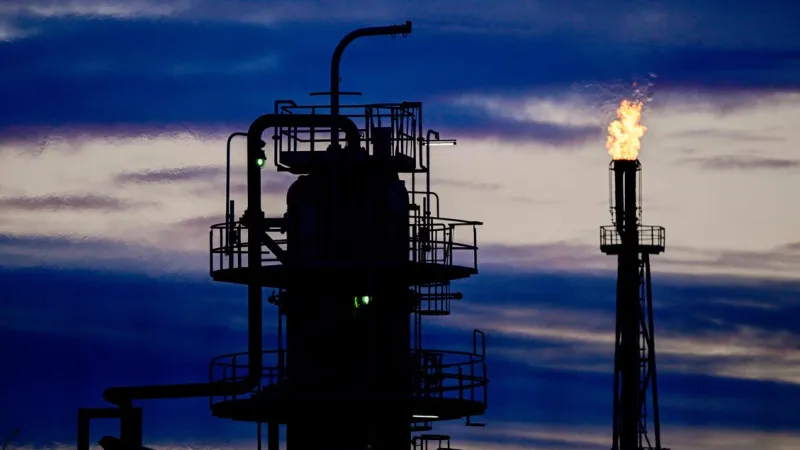
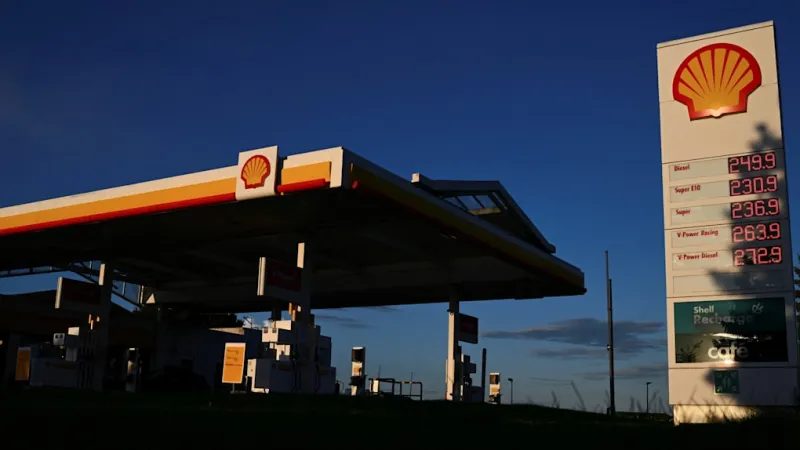
GENEVA – The International Monetary Fund (IMF), World Bank (WB), and International Energy Agency (IEA) have issued a stark warning regarding the potential for severe global fuel shortages this summer if the crucial Strait of Hormuz remains disrupted. This collective alarm bell comes as worldwide oil inventories continue to deplete at an unprecedented rate, raising significant concerns about energy security and economic stability.
The three powerful international bodies, responsible for monitoring global financial health and energy markets, articulated their apprehensions in a joint statement, underscoring the critical role of the Strait of Hormuz as a chokepoint for global oil transit. Their assessment points to a confluence of factors, primarily the dwindling global petroleum reserves and the persistent geopolitical tensions affecting the vital shipping lane.
Sources familiar with the agencies assessments indicate that global oil stocks are currently experiencing a record-setting reduction. This trend, if unchecked, threatens to exacerbate supply-side pressures, making economies worldwide vulnerable to price spikes and availability issues, particularly as seasonal demand typically increases during the summer months.
The Strait of Hormuz, a narrow waterway connecting the Persian Gulf with the Arabian Sea, serves as the only sea passage from the Persian Gulf to the open ocean. Approximately one-fifth of the world's total petroleum consumption, including nearly all oil exports from Saudi Arabia, Iran, Iraq, Kuwait, Qatar, and the UAE, passes through this strategic maritime route daily.
Disruptions or threats to navigation in the strait have historically sent ripples through global energy markets, driving up crude oil prices and introducing considerable uncertainty for importers and consumers alike. The current warnings from the IMF, WB, and IEA amplify these long-standing concerns, suggesting the situation has reached a critical juncture.
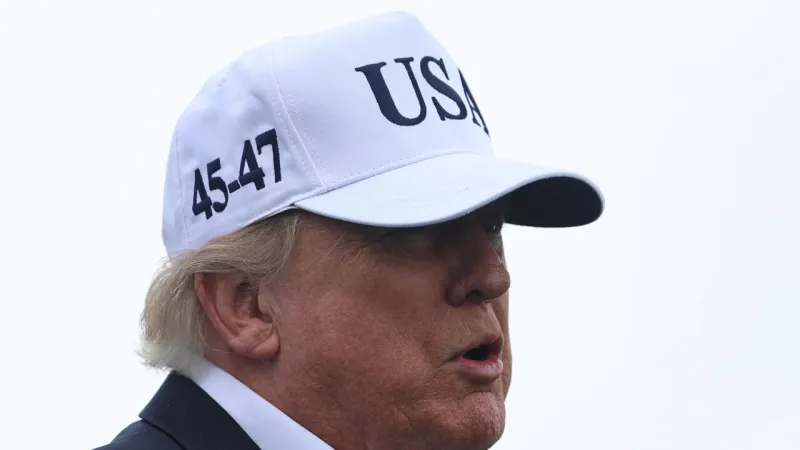
Geopolitical considerations surrounding the Strait of Hormuz have been a recurring flashpoint. Past administrations, including President Donald Trump's, have faced complex decisions regarding Iran's influence and potential challenges to free passage through the strait. Reports from the time indicated President Trump was closely evaluating options as Tehran reasserted control, as highlighted in Trump Ponders Iran Decision As Tehran Reasserts Hormuz Control. Critical discussions also took place in the Situation Room regarding the implications of the Hormuz challenge, as detailed in Trump Convenes Situation Room, Iran Decision Eludes Amid Hormuz Challenge. This historical context underscores the fragility of the region's stability.
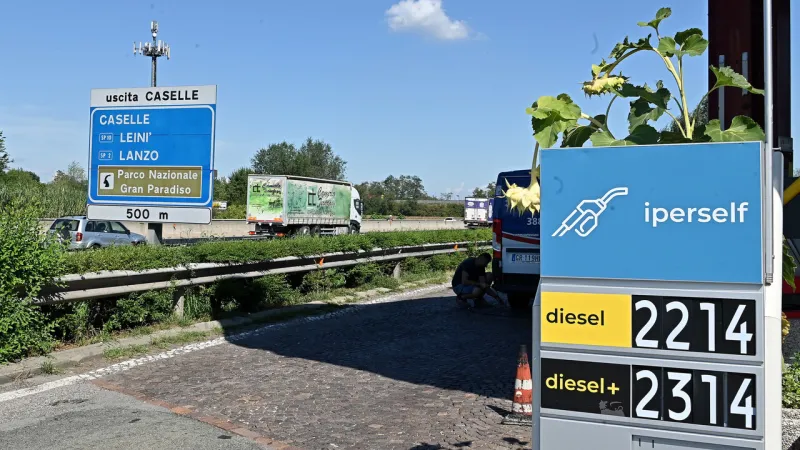
The economic fallout from a potential summer fuel crisis could be far-reaching. Central banks, already grappling with persistent inflationary pressures in many regions, would face renewed challenges. Higher energy costs typically translate into increased operational expenses for businesses, reduced consumer purchasing power, and potential contractions in economic growth, threatening a ripple effect across interconnected global markets.
Analysts suggest that while strategic petroleum reserves exist in various nations, their primary purpose is to mitigate short-term disruptions. A prolonged or severe closure of Hormuz would test these reserves capacity and could necessitate more drastic measures, including rationing or sustained price controls in affected countries. The sheer volume of oil traversing Hormuz daily makes its unimpeded flow indispensable.
The energy agencies are reportedly engaging with member states and key oil-producing nations to explore contingency plans and de-escalation strategies. However, the precise nature of these discussions and any potential breakthroughs remain undisclosed, adding to market anxiety. The focus remains on ensuring the free and safe passage of commercial vessels through the strait.
Should the situation escalate, the international community would face an immediate challenge to secure alternative supply routes or unlock strategic reserves swiftly. The warnings from the IMF, World Bank, and IEA serve as a critical call to action, urging diplomatic efforts and robust preparedness to avert a significant energy crisis during the peak demand season of summer 2026.
The urgency of this situation is compounded by the delicate balance of supply and demand in the post-pandemic recovery era. Any significant impediment to the supply chain for petroleum products risks undermining fragile economic gains and plunging vulnerable economies into further instability.