 Stefani Rindus
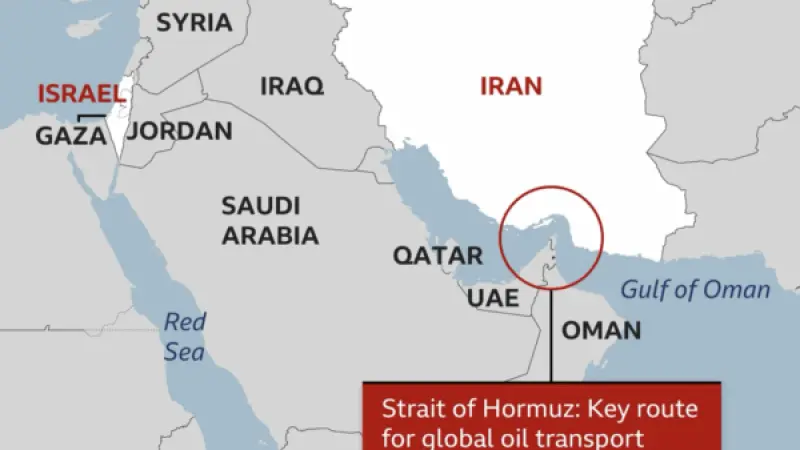
DUBAI — The vital Strait of Hormuz is at a near standstill today as Iran issued stringent warnings to international vessels, demanding they adhere strictly to its territorial waters, an unprecedented escalation that threatens global oil supplies and international maritime freedom in 2026. The move comes amidst heightened regional tensions and has prompted immediate concern from world powers, including the United States.
The Revolutionary Guard Navy, Iran's elite military branch, began enforcing the new directive early this morning, instructing commercial ships and oil tankers to navigate within the northern, Iranian-claimed sectors of the narrow waterway. This dramatic shift from established international shipping lanes has significantly disrupted traffic through one of the worlds most crucial chokepoints.
Historically, the Strait of Hormuz operates under international law guaranteeing transit passage for all ships, regardless of their flag. Iran's latest pronouncement challenges this long-standing principle, potentially turning a routine transit into a perilous negotiation with Iranian authorities.
Approximately one-fifth of the worlds total oil consumption, along with a substantial portion of liquefied natural gas, passes through the Strait daily. The current near standstill condition has sent immediate shockwaves through global energy markets, with crude oil prices surging on futures exchanges.
Analysts are scrambling to interpret Iran's motivation behind this aggressive posture. Some suggest it is a calculated risk to assert regional dominance, while others believe it is a direct response to ongoing international sanctions or a leverage play in broader negotiations concerning its nuclear program.
The White House has condemned Iran's actions as irresponsible and a direct threat to international commerce. President Donald Trump, speaking from the Oval Office, reaffirmed Americas unwavering commitment to freedom of navigation. He stated, “We will protect our interests and ensure the unimpeded flow of global trade through international waters.”
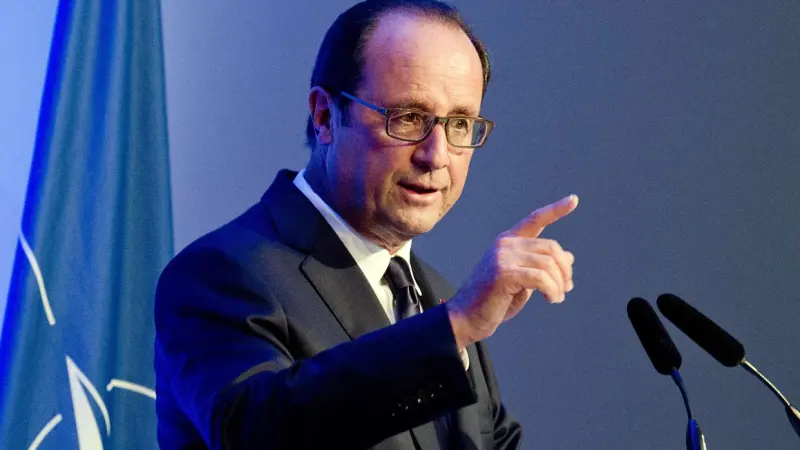
Secretary of State Michael Pompeo has engaged in urgent diplomatic outreach to key allies in the region and Europe. The State Department emphasized the need for de-escalation and adherence to international maritime law to prevent a dangerous confrontation in the volatile Persian Gulf.
Naval assets from various nations, including the US Fifth Fleet, are maintaining a vigilant presence in the broader region. While no direct confrontations have been reported, the presence of these forces underscores the gravity of the situation and the potential for rapid escalation.
Shipping companies have advised their vessels to hold position outside the Strait or seek alternative, longer routes around the Arabian Peninsula, incurring substantial delays and increased costs. This uncertainty highlights the profound economic impact even a temporary disruption can inflict.
The international community now faces a critical test of diplomacy and resolve. A protracted near standstill in Hormuz could destabilize global economies and exacerbate existing geopolitical tensions, demanding a unified and firm response from nations reliant on the waterways stability.
Regional powers, including Saudi Arabia and the United Arab Emirates, have also expressed deep apprehension regarding Iran's latest actions. Their economies are heavily reliant on secure shipping routes for oil exports, and any disruption poses an existential threat to their prosperity.
Experts caution that a miscalculation by either side could quickly spiral out of control. The Strait of Hormuz has a history of flashpoints, and the current situation demands extreme prudence from all actors involved to avoid an armed conflict.
Negotiations are reportedly underway through various back channels, attempting to find a diplomatic resolution that respects both international law and Iran's stated security concerns. The path to de-escalation remains fraught with challenges.
The global economy, still grappling with post-pandemic recovery, can ill afford sustained disruption to such a critical artery of trade. The world watches anxiously as the situation in the Strait of Hormuz unfolds, hoping for a swift and peaceful resolution.