 Chris Robert
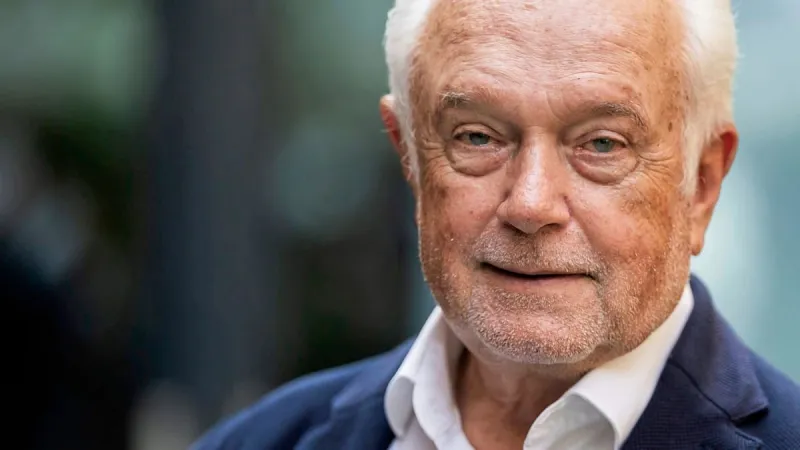
BERLIN – Wolfgang Kubicki, deputy leader of Germany's Free Democratic Party (FDP), vehemently condemned proposals from the political left regarding the reception of migrants from the Spanish enclave of Ceuta, labeling such ideas as "completely insane." His remarks follow significant border incursions into Ceuta, reigniting concerns about European migration policy and national security, while Kubicki urged greater accountability from Morocco.
Kubicki's strong denunciation underscores a growing rift within German political discourse over how to address the persistent challenges of irregular migration at Europe's southern frontiers.
The FDP politician acknowledged that recent mass crossings into Ceuta do not present an immediate, direct impact on Germany. However, he emphasized the broader implications, stating, "the fact that so many people could cross the border in one day is a worrying sign."
This assessment highlights the precarious nature of border control and the potential for a ripple effect across the European Union. Spain's African enclaves of Ceuta and Melilla frequently experience migrant surges, acting as flashpoints for broader European migration debates. To understand the geopolitical context, consider Spain's African Enclaves: Understanding Ceuta and Melilla Border Barriers.
Kubicki specifically targeted unspecified "left-wing" proposals, which presumably advocate for a more permissive approach or increased solidarity in accepting asylum seekers who reach European soil through such routes.
Such proposals often face stiff opposition from more conservative and liberal parties, who prioritize robust border security and the prevention of uncontrolled entry, aligning with Kubicki's call for stricter measures.
A central tenet of Kubicki's argument is the necessity of holding third-party nations, particularly Morocco, more accountable for managing their borders and preventing the organized movement of migrants towards Spanish territory.
The relationship between Spain and Morocco regarding border management has historically been complex, marked by periods of cooperation and tension. Rabat's role is critical, as the majority of migrants attempting to cross into Ceuta originate from or pass through Moroccan territory.
Recent incidents have seen thousands attempting to breach the heavily fortified perimeter fences surrounding Ceuta, overwhelming local authorities and prompting emergency responses from Spain. For more on these events, see Ceuta Border Overwhelmed: 49,000 Migrants Enter, 18 Dead Amid Clashes.
Critics of a more open migration policy argue that unchecked border crossings undermine the rule of law and incentivize further irregular migration, creating pull factors that can endanger lives and overwhelm social services.
Conversely, advocates for more lenient policies often cite humanitarian concerns, international obligations, and the right to seek asylum, pushing for a shared responsibility among EU member states.
The FDP, a liberal party, typically advocates for regulated immigration based on economic needs rather than uncontrolled entry, often aligning with calls for stricter enforcement at external borders.
The ongoing situation in Ceuta serves as a microcosm of broader European debates concerning migration. The European Union has struggled to forge a unified and comprehensive migration policy, with member states often divided on burden-sharing and border control strategies. Delve deeper into this issue with Ceuta Migrant Surge: Europe Grapples with Complex Deportation Realities.
Germany, as a major destination country for migrants within the EU, remains particularly sensitive to any developments that could lead to increased arrivals, especially given past political controversies surrounding migration influxes.
Kubicki's comments reflect a desire to prevent a recurrence of previous large-scale migration events and to ensure that Germany is not indirectly affected by porous external EU borders.
The issue of border integrity at enclaves like Ceuta is not merely a Spanish concern but a European one, as movements across these frontiers can ultimately impact the internal security and social fabric of other member states.
This latest political broadside from a prominent German politician underscores the continued polarization and intense scrutiny surrounding migration management within the bloc.
As Europe navigates complex geopolitical shifts and humanitarian crises, the debate over how to balance compassionate aid with stringent border controls will undoubtedly persist.
Kubicki's forceful language aims to draw a clear line in the sand, rejecting what he perceives as unrealistic or unsustainable approaches to a multifaceted challenge that demands pragmatic solutions.
The call for Morocco's increased involvement signifies a push for more robust external partnerships as a cornerstone of future European border strategy, seeking to address migration flows at their source rather than merely at the continent's doorstep.